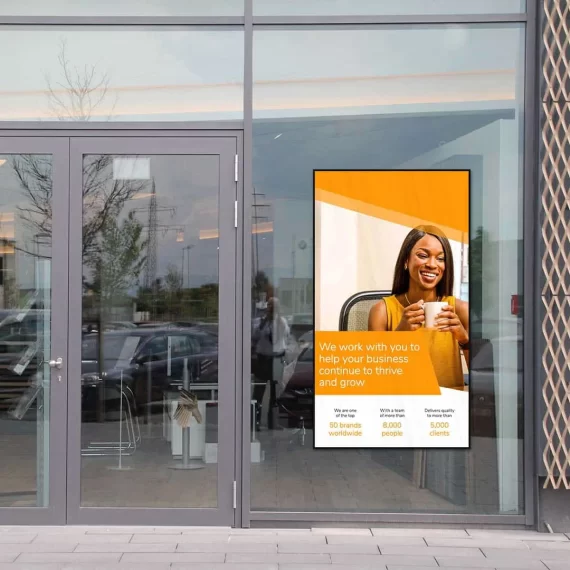

Digital Display Screen in Qatar
In today’s visually driven world, digital display screens have become essential tools for communication, advertising, and information dissemination. Whether used in retail environments, corporate settings, transportation hubs, or public spaces, these screens offer a dynamic, engaging way to connect with audiences.
As a leading supplier of digital display screens in Qatar, Axle Systems provides state-of-the-art display technologies designed to meet the evolving needs of businesses across all industries. In this article, we explore the features, benefits, applications, and everything you need to know about digital display screens — and why Axle Systems is your trusted partner in Qatar.
What is a Digital Display Screen?
A digital display screen is an electronic visual display that shows multimedia content such as videos, images, animations, and dynamic text. It can be used for digital signage, wayfinding, advertising, entertainment, or interactive functions. Digital displays come in various formats such as LED screens, LCD panels, OLED displays, and interactive touchscreens.
Unlike static signage, digital displays are easily updateable, customizable, and can be managed remotely in real-time — making them powerful communication tools for modern businesses and public services.
Benefits of Digital Display Screens
Digital display screens are transforming how organizations communicate, advertise, and inform the public. Compared to traditional static signage, digital displays offer an advanced, flexible, and more cost-effective solution that caters to the fast-paced demands of modern business environments. Below is a deeper look at the core benefits of adopting digital display screens for your operations in Qatar.
1. Real-Time Content Updates
One of the standout advantages of digital display screens is the ability to update content instantly and remotely. Whether you’re managing a single screen in a store or hundreds of displays across multiple locations, content management is streamlined through a centralized platform.
- Promote time-sensitive deals, emergency alerts, or upcoming events with zero delay.
- Automatically schedule different content for different times of the day or week.
- Make updates without the need to print, ship, or manually replace posters.
This feature is especially useful in environments like airports, hospitals, or retail chains, where information changes frequently and consistency across locations is critical.
2. Enhanced Audience Engagement
Digital displays deliver high-definition visuals, motion graphics, and even interactive experiences that capture and hold the viewer’s attention far better than static signs.
- Incorporate eye-catching animations and videos to increase retention.
- Use dynamic content such as weather, news tickers, or social media feeds to stay relevant.
- Enable personalized content that adjusts based on time, demographics, or audience behavior.
Whether it’s drawing customers into a retail shop or communicating effectively in a corporate setting, digital screens boost user engagement and increase brand recall.
3. Cost-Effective Advertising and Communication
Though the initial investment in digital display technology may seem high, the long-term savings are significant:
- Eliminate recurring costs associated with printing, shipping, and installing posters or banners.
- Reduce human resource involvement in distributing physical signage.
- Use the same screen for different campaigns throughout the year.
Businesses can reinvest these savings into more strategic marketing or operational initiatives. The ROI on digital signage is often measured not just in savings, but in increased customer conversions and operational efficiency.
4. Centralized & Remote Management
A major advantage for organizations with multiple branches is the ability to control all screens from a single dashboard.
- Launch a new marketing campaign simultaneously across all stores in Doha, Al Wakrah, Lusail, or even internationally.
- Control and monitor screen health, schedule content, and troubleshoot remotely.
- Maintain consistent branding, reduce miscommunication, and improve organizational control.
This level of control is crucial for industries like banking, retail chains, and government services, where uniform communication across all branches is mandatory.
5. Smart & Contextual Content Integration
Digital displays today can do much more than show static slides. They can integrate with databases, APIs, and third-party systems to automatically display real-time, contextual content.
- Display inventory-based promotions (e.g., limited stock alerts).
- Sync with POS systems to show recent offers or receipts.
- Integrate with event schedules, booking systems, or live dashboards.
By leveraging smart integrations, businesses can automate content delivery, saving time while ensuring that customers always see up-to-date and relevant information.
6. Environmentally Friendly & Sustainable
Sustainability is a key concern for many businesses in Qatar and globally. Digital signage contributes to eco-friendliness by reducing paper waste and chemical ink usage.
- Cut down on printing materials and logistics emissions.
- Use energy-efficient LED screens that consume less power over time.
- Promote paperless communication, particularly in public and corporate settings.
With green building certifications and eco-compliance becoming more important, using digital displays can help organizations meet their CSR and sustainability goals.
7. Durability & Longevity
Unlike regular consumer TVs, commercial digital display screens are engineered for high-performance, 24/7 operation, making them extremely durable and reliable.
- Built-in cooling systems and reinforced frames make them suitable for continuous use.
- Outdoor screens are designed to withstand heat, dust, moisture, and vandalism.
- Advanced brightness and anti-glare coatings ensure visibility under all conditions.
This makes digital display screens a solid investment for high-traffic environments such as shopping malls, airports, stadiums, and outdoor advertising.
8. Multi-Purpose Functionality
A single digital screen can serve multiple functions:
- Display advertisements, announcements, schedules, and wayfinding.
- Offer interactive touch functionality for self-service kiosks.
- Serve as entertainment displays in waiting areas or lounges.
The versatility of digital display screens means you get maximum utility from your investment, making them suitable for almost any business environment.
9. Data Collection & Analytics
Modern digital display solutions come with built-in sensors or integrations that allow businesses to gather and analyze data on:
- Viewer engagement (via cameras or motion sensors)
- Clicks or interaction data (on touchscreens)
- Content performance (via heatmaps or dwell time)
This valuable insight helps businesses optimize content strategy, improve targeting, and make data-driven marketing decisions.
10. Easy Maintenance and Support
Today’s digital display systems are built with modular components and often come with remote diagnostics and auto-recovery features.
- Easily update firmware or troubleshoot without being physically present.
- Get automatic alerts if a display fails or goes offline.
- Work with trusted suppliers like Axle Systems who provide prompt on-site support and long-term maintenance packages.
With fewer moving parts than traditional signage production and distribution, digital screens simplify operations and reduce downtime.

Features of Digital Display Screens
Digital display screens are equipped with a wide range of innovative features that make them ideal for commercial, institutional, and public environments in Qatar. These features enable seamless operation, stunning visuals, real-time content control, and user interactivity, making digital display screens a robust solution for modern communication and branding.
Let’s explore the key features of digital display screens that set them apart from traditional signage and consumer-grade televisions.
1. High-Resolution Visuals (HD, Full HD, 4K, and 8K)
Digital displays come in various resolutions based on the viewing distance, content type, and application environment:
- HD (720p) & Full HD (1080p) for standard presentations or menus
- 4K UHD (3840×2160 pixels) for crystal-clear content in showrooms, malls, and airports
- 8K (7680×4320 pixels) for ultra-premium applications like luxury car dealerships, high-end retail, and exhibitions
High resolution ensures sharp imagery, vibrant colors, and a professional appearance, crucial for grabbing attention and conveying content effectively.
2. Ultra-High Brightness & Adjustable Luminance
Brightness is essential for visibility — especially in Qatar’s sunlight-rich outdoor environments. Commercial-grade digital displays offer:
- Brightness levels ranging from 350 to 5000+ nits
- Auto-brightness sensors that adjust levels based on ambient lighting
- Anti-glare and anti-reflective coatings for clear viewing under direct sunlight
Whether indoors in a retail setting or mounted outdoors along highways or stadiums, the content remains clear and visible at all times.
3. Flexible Sizes & Aspect Ratios
Digital displays come in a variety of sizes ranging from 10 inches (for shelf-edge screens or kiosks) to 110 inches (for commercial TVs), and even custom video wall configurations that span entire building facades.
Additionally, you can choose from:
- 16:9 standard aspect ratio
- 32:9 ultrawide panoramic screens
- 1:1 square LED displays
- Custom-sized LED panels for architectural installations
This flexibility allows businesses to match their screen format to their physical space and brand aesthetic.
4. Landscape & Portrait Orientation
Digital display screens support both horizontal (landscape) and vertical (portrait) mounting. This is especially beneficial for:
- Portrait screens in retail for digital posters or fashion ads
- Landscape screens in airports, malls, or restaurants
- Creative layouts in hotels, exhibition booths, or corporate lobbies
Mounting versatility helps make the most of available wall or stand space while aligning with branding or design requirements.
5. Smart Content Management System (CMS) Compatibility
Most digital display screens come with support for a Content Management System (CMS) that allows businesses to:
- Upload and schedule multimedia content
- Create playlists and design layouts
- Assign content to specific screens or zones
- Monitor device status in real-time
Whether cloud-based or installed on-premises, CMS ensures easy control, consistency, and automation of content delivery.
6. Built-In Media Player & Storage
Many commercial digital screens come with integrated media players that allow users to run content directly from:
- USB drives
- Internal memory
- SD cards
- Networked content libraries
This eliminates the need for external computers or set-top boxes, making the system more compact and easier to maintain.
7. Multi-Zone Display Capabilities
With multi-zone screen functionality, users can split a single screen into multiple zones, each showing different content types:
- Main zone: video or rotating ads
- Side zone: weather updates or stock prices
- Ticker zone: scrolling news or announcements
This makes displays highly effective for information-dense environments like transportation hubs, corporate offices, or control rooms.
8. Wide Input & Connectivity Options
To ensure broad compatibility with other systems and content sources, commercial digital screens come equipped with:
- HDMI, VGA, DVI, DisplayPort
- USB ports for plug-and-play content
- LAN ports for network integration
- Wi-Fi and Bluetooth for wireless control
- RS232 or RJ45 for remote diagnostics
This versatility means easier installation, futureproof integration, and connectivity with other AV systems.
9. 24/7 Operation and Commercial-Grade Components
Unlike home TVs, digital display screens are built with industrial-grade materials designed for heavy use:
- 24/7 continuous operation with thermal protection
- Metal enclosures and enhanced cooling systems
- Long lifespan backlight units (50,000 to 100,000 hours)
This makes them ideal for use in airports, hotels, malls, and transport stations where downtime is not an option.
10. Vandal-Proof and Weatherproof Designs (For Outdoor Models)
For outdoor installations, especially in high-traffic or unsupervised public areas, screens are often equipped with:
- Toughened glass or polycarbonate protection
- IP65 or IP67 water and dust resistance
- Anti-theft brackets and sealed enclosures
- Temperature-regulated cabinets with fans or HVAC
This ensures durability even in Qatar’s harsh weather conditions, including sand, humidity, and extreme heat.
11. Touchscreen & Interactivity Support
Interactive digital displays bring an engaging layer of functionality:
- Touch-enabled screens (capacitive or infrared)
- Multi-touch (up to 20 touch points)
- Integration with kiosks, self-service machines, or wayfinding
Use cases include mall directories, hotel check-in kiosks, education tools, and showroom product selectors.
12. Seamless Video Wall Integration
Digital display panels, especially ultra-narrow bezel LCDs and LED modules, can be tiled together to form seamless video walls:
- Modular panels for custom size creation
- No bezels (LED) or ultra-thin bezels (LCD)
- Easy calibration and color uniformity
- Fine-pitch LED options (P1.5, P2.5, P3, etc.)
Video walls are ideal for brand storytelling, advertising displays, and control room monitoring.
13. Auto Diagnostics & Remote Monitoring
Many commercial digital signage systems include diagnostic tools to:
- Alert on display failure, overheating, or connectivity loss
- Schedule automatic reboots or brightness adjustments
- Enable remote monitoring and support via cloud dashboards
This prevents downtime and reduces the need for on-site troubleshooting.
14. Content Lock & Access Control
To prevent unauthorized access or accidental interference:
- Screens come with PIN protection or admin-level login for CMS
- Physical controls (power, volume) can be locked or hidden
- Media content can be encrypted for secure playback
This is especially useful for public and government environments where content integrity is vital.
15. Customizable Frame & Branding Options
Some suppliers, including Axle Systems, offer screens with customizable bezels or mounts to match:
- Brand colors or retail interior design
- Architectural elements of luxury showrooms
- Specific exhibition or gallery themes
These design adaptations ensure the screens blend beautifully into their surroundings while maintaining strong visual impact.
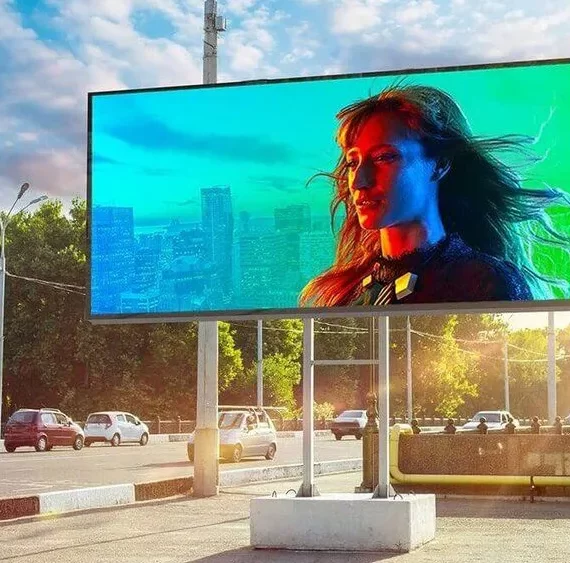
Applications & Use Cases of Digital Display Screens in Qatar
Digital display screens are among the most versatile communication tools available today. Their ability to convey multimedia content dynamically makes them ideal for virtually any industry. In Qatar’s fast-developing economic landscape — from retail and transportation to education and healthcare — digital display screens are playing a crucial role in transforming communication and enhancing customer experiences.
Below are the most impactful industry-specific applications and use cases of digital display screens across Qatar:
1. Retail Stores & Shopping Malls
Retailers in Qatar are increasingly leveraging digital displays to boost sales, improve engagement, and create visually stimulating environments for shoppers.
Use Cases:
- Digital Signboards: Replace traditional banners with digital posters showcasing products, discounts, or limited-time deals.
- Interactive Screens: Allow customers to browse catalogs, view product availability, or get outfit suggestions in fashion stores.
- Storefront Screens: Attract passersby with motion graphics and high-impact visuals.
- Promotional Campaigns: Run localized offers that change throughout the day — such as lunch-hour deals or Ramadan discounts.
- Digital Directories: Help customers navigate multi-level malls like Doha Festival City, Villaggio Mall, and Mall of Qatar with touch-enabled directories.
Benefits for Retailers:
- Increased foot traffic and dwell time
- Real-time control over ad campaigns
- More engaging in-store experiences
2. Hotels & Hospitality Industry
Qatar’s booming tourism and hospitality sector depends on top-tier service — and digital display screens enhance that experience by offering real-time guest communication and entertainment solutions.
Use Cases:
- Lobby Welcome Screens: Display personalized greetings for VIP guests or event attendees.
- Digital Concierge Boards: Show hotel services, tour packages, spa bookings, and restaurant menus.
- Event Schedules: Highlight meeting room bookings, wedding schedules, or corporate event details.
- In-Room Displays: Touchscreens offering entertainment, hotel services, and local attractions.
- Wayfinding Screens: Help guests find their way to pools, gyms, conference rooms, or prayer areas.
Benefits for Hotels:
- Modern guest experience
- Increased up-sell opportunities
- Reduced front desk congestion
3. Healthcare Sector – Hospitals, Clinics & Pharmacies
Hospitals and medical centers in Qatar utilize digital display screens to improve patient flow, reduce perceived wait times, and educate visitors.
Use Cases:
- Queue Display Systems: Integrate with queue management systems to show ticket numbers and counter assignments.
- Health Awareness Videos: Educate visitors about diseases, hygiene practices, and wellness tips.
- Doctor Availability Boards: Display doctor names, specialties, room numbers, and consultation times.
- Emergency Alerts: Instantly communicate evacuation messages or urgent health advisories.
- Pharmacy Promo Boards: Show real-time offers on OTC medicines or personal care items.
Benefits for Healthcare Facilities:
- Improved patient experience
- Streamlined operational communication
- Enhanced health literacy and awareness
4. Corporate Offices & Commercial Buildings
In the modern workplace, digital display screens enhance internal communication, branding, and employee productivity.
Use Cases:
- Reception Welcome Boards: Display visitor names, greetings, and logos for client visits or board meetings.
- Live Dashboards: Real-time performance metrics, sales targets, or KPIs in open office environments.
- Employee Communication Boards: Broadcast HR updates, policy changes, or upcoming events.
- Meeting Room Displays: Integrated displays for room booking, scheduling, and availability status.
- Canteen Menu Screens: Daily menu displays with nutritional information or calorie tracking.
Benefits for Corporates:
- Stronger internal branding
- Efficient meeting coordination
- Better-informed employees
5. Religious Institutions & Mosques
Digital screens are being adopted in mosques, Islamic centers, and religious venues across Qatar to enhance communication with worshippers.
Use Cases:
- Prayer Timings: Automated displays of Athan and Iqamah times synced with lunar calendar data.
- Jummah Khutbah Titles: Preview of Friday sermon topics or visiting speakers.
- Event Notices: Halaqas, Quran competitions, or Ramadan Iftars.
- Live Broadcasts: Transmit live feed of lectures or prayer sessions on screens placed in overflow areas.
- Charity Campaigns: Digital fundraising meters and donation messages.
Benefits for Mosques:
- Real-time religious guidance
- Improved crowd management during events
- Enhanced community participation
6. Transportation Hubs – Airports, Metro Stations, and Bus Terminals
Doha’s Hamad International Airport and the Doha Metro system rely heavily on digital display technologies for effective passenger information delivery.
Use Cases:
- Flight/Train Schedules: Live updates on departures, arrivals, delays, or platform numbers.
- Gate/Platform Information: Directional signage to streamline boarding.
- Baggage Claims: Real-time luggage tracking updates on conveyor screens.
- Wayfinding Signage: Help travelers navigate complex airport terminals.
- Advertising Panels: Duty-free promotions or local events.
- Emergency Announcements: Weather alerts, security messages, or temporary closures.
Benefits for Transportation Authorities:
- Enhanced passenger flow
- Real-time updates to thousands at once
- Boosted non-aeronautical revenue through ads
7. Educational Institutions – Schools, Colleges & Universities
Education providers in Qatar are modernizing campuses by using digital display screens to foster interactive learning and communication.
Use Cases:
- Digital Notice Boards: Display announcements, exam schedules, and circulars.
- Classroom Smart Screens: Interactive boards for hybrid teaching and digital collaboration.
- Wayfinding: Navigation for large campuses like Qatar University or Education City.
- Event Promotion: Advertise guest lectures, cultural events, or science fairs.
- Library Displays: Promote reading challenges, featured books, or student work.
Benefits for Schools:
- Engaged students and parents
- Faster communication
- Enhanced digital literacy
8. Government Institutions & Public Services
From ministries to embassies and citizen service centers, government agencies use digital screens to inform, guide, and serve the public more efficiently.
Use Cases:
- Token Display Systems: Queue displays integrated with government QMS.
- Information Boards: Public service campaigns, policy updates, or emergency contact information.
- Digital Directories: Guide citizens to various departments or service counters.
- Awareness Campaigns: Fire safety, traffic rules, or cyber security education.
Benefits for Government Offices:
- Reduced waiting time stress
- Enhanced citizen service experience
- Centralized content management across all branches
9. Stadiums, Arenas & Event Venues
Qatar’s world-class sports venues, such as Lusail Stadium and Khalifa International Stadium, use digital screens to create immersive fan experiences.
Use Cases:
- Scoreboards and Replays: Show real-time match statistics, slow-motion replays, and VAR decisions.
- Fan Engagement: Display hashtags, fan cams, or trivia during breaks.
- Wayfinding: Help fans find seats, gates, or food outlets.
- Sponsor Ads: Generate revenue through brand exposure on big screens.
Benefits for Event Hosts:
- Electrifying spectator experiences
- Revenue generation through dynamic ads
- Efficient crowd guidance
10. Museums, Exhibitions & Cultural Centers
Digital screens offer interactive storytelling and visual enrichment in Qatar’s many cultural venues.
Use Cases:
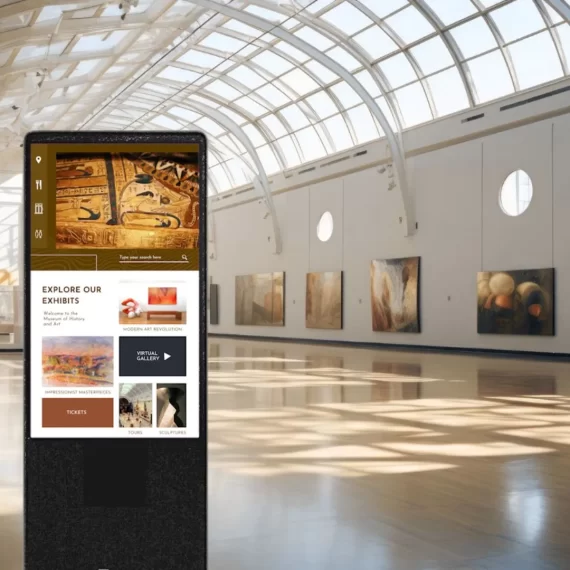
- Interactive Kiosks: Let visitors explore history, art, or science at their own pace.
- Digital Labels: Display QR codes, translations, or additional exhibit info.
- Virtual Tours: Touchscreen wayfinding or AR-enhanced exploration.
- Donor Acknowledgments: Highlight sponsors and partners in a dynamic format.
Benefits for Cultural Spaces:
- More engaging visitor journeys
- Support for multilingual content
- Easy content updates for rotating exhibits
Axle Systems: Your Trusted Partner for Digital Display Screens in Qatar
As the demand for advanced visual communication solutions grows, Axle Systems stands as a premier supplier of Digital Display Screens in Qatar. With a commitment to quality, innovation, and customer satisfaction, we provide comprehensive solutions tailored to the unique needs of businesses across various sectors.
Who We Are:
Axle Systems is an ISO 9001-2008 certified company with a strong track record of providing cutting-edge security and technology solutions in Qatar since 2012. Our expertise extends beyond digital displays to a wide range of offerings, including access control systems, time attendance systems, CCTV, people counting systems, and more. We pride ourselves on partnering with world-leading brands to deliver the best quality and value to our clients.
Why Choose Axle Systems for Your Digital Display Needs?
- Extensive Product Range: We offer a diverse selection of Digital Display Screens, including various sizes, resolutions, indoor and outdoor options, interactive displays, and video wall solutions.
- Expert Consultation: Our team of experienced professionals will work closely with you to understand your specific requirements and recommend the most suitable digital display solution for your business.
- Seamless Integration: We provide end-to-end solutions, from hardware supply and installation to software configuration and content management system setup.
- Unwavering Support: Our commitment to our clients extends beyond installation. We offer comprehensive after-sales support, maintenance services, and technical assistance to ensure your digital display systems operate flawlessly.
- Local Expertise: With a deep understanding of the Qatari market and its unique demands, we are uniquely positioned to deliver solutions that are both technologically advanced and culturally relevant.
- Customized Solutions: We understand that every business is unique. We offer customized digital display solutions to meet your specific branding, communication, and operational needs.
Our Commitment:
At Axle Systems, we believe in empowering businesses with the tools they need to thrive in the digital age. Our Digital Display Screens are more than just screens; they are powerful communication platforms designed to captivate your audience, streamline your operations, and drive your success.
Contact Axle Systems Today!
Ready to transform your communication strategy with state-of-the-art Digital Display Screens? Get in touch with Axle Systems, your reliable partner in Qatar.
Phone: +974 4468 2391
Email: info@axlesys.com
Website: www.axlesys.com
Address: P.O. Box 200081 Al Khalidiya Street, Najma, Doha, Qatar
Common FAQs about Digital Display Screens
To help you better understand Digital Display Screens and their applications, here are some frequently asked questions:
Q1: What is the difference between an LCD and an LED digital display screen?
A1: Both LCD and LED displays are common in digital signage.
- LCD (Liquid Crystal Display): Uses a liquid crystal layer and a backlight (often LED backlighting) to produce images. They are generally more cost-effective, especially for larger sizes, and have no “burn-in” issues, making them good for static content.
- LED (Light-Emitting Diode) Display: In a true LED display (like those used in large video walls), each pixel is an individual LED that emits its own light. This allows for superior brightness, contrast, color reproduction, and deeper blacks. They are highly durable and perform exceptionally well in outdoor conditions. MicroLED is an emerging technology that takes this even further with microscopic LEDs.
Q2: How do I send content to my digital display screen?
A2: Content is typically sent to digital display screens through a digital signage software platform. This software allows you to upload, schedule, and manage your content remotely. The content is then transmitted to a media player (either external or built-in to the display) which renders it on the screen. Connectivity can be via Wi-Fi, Ethernet, or even 4G/5G for remote locations.
Q3: Can digital display screens be used outdoors?
A3: Absolutely! There are specialized outdoor digital display screens designed to withstand harsh weather conditions (rain, dust, extreme temperatures), direct sunlight, and vandalism. These displays are built with higher brightness (nits) to ensure visibility even in bright daylight.
Q4: What is “pixel pitch” and why is it important?
A4: Pixel pitch refers to the distance between the centers of two adjacent pixels on an LED display. It’s measured in millimeters (mm). A smaller pixel pitch means more pixels are packed into a given area, resulting in a higher resolution and a clearer, sharper image, especially when viewed up close. For displays viewed from a distance (like large billboards), a larger pixel pitch might be acceptable.
Q5: Are digital display screens energy efficient?
A5: Yes, modern digital display screens, especially LED and OLED technologies, are designed to be highly energy-efficient compared to older display technologies like plasma or traditional backlighting. Their direct light emission and dynamic brightness adjustment contribute to lower power consumption, leading to reduced operating costs.
Q6: How long do digital display screens last?
A6: The lifespan of a digital display screen varies by technology and usage. LED displays are known for their longevity, often lasting 50,000 to 100,000 hours or more, which translates to several years of continuous operation. LCDs typically have a lifespan of 40,000 to 50,000 hours. Proper maintenance and avoiding extreme operating conditions can extend their life.
Q7: Can digital display screens be interactive?
A7: Yes, many digital display screens offer interactive capabilities. Touchscreen functionality is the most common, allowing users to navigate content, select options, and engage with the display. Advanced displays can also incorporate gesture control, voice recognition, and even integrate with mobile devices for a more immersive experience.
Q8: What kind of content can I display on these screens?
A8: The possibilities are nearly endless! You can display:
- Still images (JPEGs, PNGs)
- Videos (MP4, AVI, MOV)
- Animations (GIFs, motion graphics)
- Scrolling text and news tickers
- Live data feeds (weather, stock prices, social media)
- Web pages
- Presentations (PowerPoint, PDFs)
- Interactive applications and games
Q9: Do I need special software to manage my digital displays?
A9: Yes, a digital signage content management system (CMS) software is essential for effective management. This software allows you to upload, schedule, organize, and distribute your content across your network of screens from a central location, often a cloud-based platform.
Q10: What about maintenance for digital display screens?
A10: Regular maintenance is key to prolonging the life and ensuring the optimal performance of your digital displays. This includes:
- Regular Cleaning: Gently wipe the screen with a microfiber cloth and a screen-safe cleaning solution.
- Software Updates: Keep the display’s firmware and CMS software updated for optimal performance and security.
- Ventilation Check: Ensure adequate airflow around the display to prevent overheating, especially for outdoor units.
- Avoid Direct Sunlight (for indoor screens): Prolonged exposure can cause fading and damage.
- Professional Inspections: Schedule periodic professional inspections and servicing to identify and address potential issues early.
Conclusion
In an age of instant information and visual storytelling, digital display screens have emerged as a cornerstone of effective communication. They bridge the gap between brands and consumers, enhance public engagement, and create immersive environments — all with the flexibility and efficiency modern businesses demand.
Whether you’re aiming to boost your retail sales, streamline wayfinding, or enhance corporate communication, Axle Systems has the right solution for you. With a deep understanding of local market requirements and global display technologies, we’re committed to bringing innovative display experiences to Qatar.
Ready to upgrade your display systems? Contact Axle Systems today!