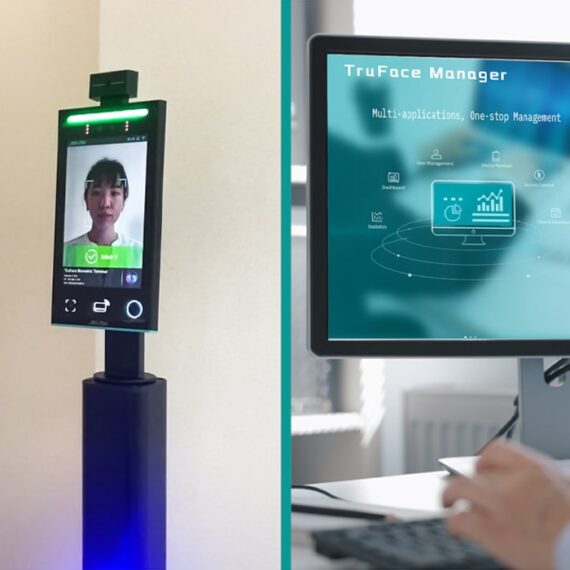

Access Control Solutions in Qatar
In today’s dynamic world, security has become a non-negotiable priority for businesses, government institutions, and even residential premises. Whether it’s preventing unauthorized access, monitoring visitor movements, or integrating physical and digital security infrastructure — Access Control Solutions play a crucial role in keeping people and property safe. In Qatar, where security compliance, technology adaptation, and smart infrastructure are rapidly evolving, access control has become a must-have solution across sectors.
At Axle Systems, we specialize in delivering modern, intelligent, and integrated Access Control Solutions in Qatar, tailored to your specific needs. We partner with top global brands like Suprema, Matrix, and ZKTeco to provide innovative solutions with unmatched reliability.
What Are Access Control Solutions?
Access Control Solutions are security technologies and systems that regulate who can enter or exit a physical location or access specific digital resources. In simpler terms, they help authorize entry, monitor activities, and prevent unauthorized access to buildings, rooms, or secure areas.
These systems typically comprise components such as: Access Control Solutions
- Card Readers or Biometric Devices
- Access Control Panels
- Electronic Locks and Turnstiles
- Management Software
- Audit Trails & Reporting Tools
Access Control Solutions can be applied to doors, elevators, server rooms, gates, or any secure location where entry needs to be monitored and controlled.
Benefits of Access Control Solutions
Implementing a robust and intelligent Access Control System delivers a multitude of benefits that go far beyond merely locking and unlocking doors. Whether for a corporate office, a hospital, a school, or a government facility, Access Control Solutions are foundational to managing modern security protocols efficiently and effectively.
1. Enhanced Security
The core purpose of an Access Control Solutions is to protect people, assets, and information by preventing unauthorized entry. Traditional lock-and-key methods are prone to duplication, theft, or loss. In contrast, access control systems use methods such as biometrics (fingerprint, face recognition), RFID cards, PIN codes, or mobile credentials to authenticate users securely.
- Example: In a corporate setting, only IT staff can access server rooms, while general employees are restricted to office areas. This prevents sensitive data exposure and limits internal threats.
2. Real-time Monitoring and Alerts
Modern Access Control Solutions offer real-time monitoring capabilities. Security personnel or administrators can instantly see who is entering or exiting any area, and receive alerts for unusual activities such as forced entry, tailgating, or repeated unauthorized attempts.
- Use Case: In airports or financial institutions, monitoring real-time access ensures fast response to potential breaches and enhances situational awareness.
3. Audit Trail & Reporting
Every Access Control Solutions event is logged — from entry attempts to exit confirmations. These detailed records can be generated as reports for audit purposes, investigations, and compliance with local security laws or international standards like ISO/IEC 27001.
- Example: A healthcare provider in Qatar can maintain access logs to restricted medical storage rooms, aiding accountability and regulatory inspections.
4. Operational Efficiency
Manual security operations such as issuing keys, maintaining ledgers, or scheduling guards are inefficient and prone to human error. Access control automates these tasks, offering centralized control, remote management, and instant user provisioning or deactivation.
- Efficiency Boost: When an employee resigns, their access can be revoked immediately from a central console—eliminating risk from leftover keys or forgotten permissions.
5. Scalability for Growing Businesses
Access Control Solutions are designed to scale with your organization. You can start with a single door and expand to thousands of endpoints across different geographic locations — all managed under one unified system.
- Example: A chain of retail stores in Doha can manage access centrally, while still granting local managers specific permissions for their branches.
6. Cost-Effective Security Management
By minimizing security breaches, reducing the need for physical security personnel, and eliminating the cost of rekeying locks, Access Control Solutions lower long-term operational costs. Many systems also offer energy-saving integrations, further reducing utility expenses.
- Savings Insight: Replacing keys for a lost master key in a university campus could cost thousands. With access control, credentials can be deactivated at no additional hardware cost.
7. Seamless Integration with Other Systems
Today’s Access Control Solutions platforms are designed to integrate with:
- CCTV systems (trigger video recording when access is granted or denied)
- Fire alarm systems (unlock doors during emergencies)
- Attendance systems (track employee check-ins/check-outs)
- Visitor management software (automatically issue visitor passes)
- Building Management Systems (BMS) (control HVAC, lighting, and more)
- Scenario: In a smart building, access control can ensure that lights and air-conditioning turn off automatically when the last person leaves the room.
8. Customizable Access Rights and Schedules
Access permissions can be configured for different users based on:
- Role (e.g., Manager vs. Technician)
- Time-based access (e.g., 9 AM–6 PM)
- Location-based control (e.g., HQ vs. warehouse)
- Temporary access (e.g., for contractors or guests)
This granular control significantly improves internal security and limits lateral movement within buildings.
- Use Case: In a hospital, doctors may access ICUs and surgery wards, while maintenance staff can only access technical rooms.
Key Features of Access Control Solutions
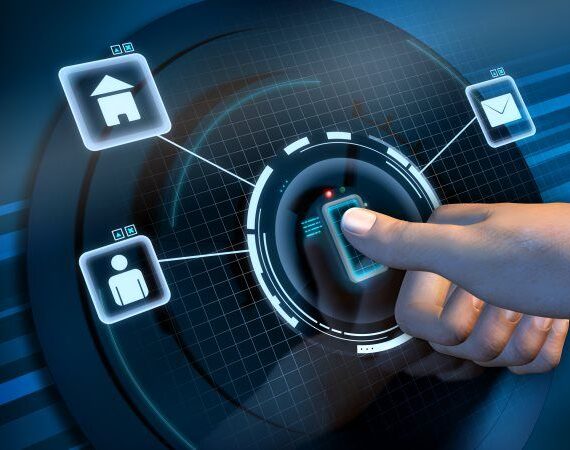
Access Control Solutions are equipped with a wide array of powerful features that go beyond just opening and closing doors. These features are designed to offer maximum security, administrative control, and operational convenience across diverse environments such as offices, malls, hospitals, banks, and industrial facilities. Below is an in-depth look at the most important features to consider when evaluating access control solutions.
1. Multi-Level Authentication Methods
Access Control Solutions support a variety of authentication techniques based on your security requirements:
- RFID Card or Key Fob Access
Contactless cards or key fobs can be programmed to provide quick and secure entry for employees or residents. - Biometric Authentication
Uses fingerprint, facial recognition, iris scans, or palm vein technology for highly secure environments. - PIN/Password Access
Terminals with keypads allow users to enter a secure code to gain access. - Mobile Credentials
Smartphones act as keys via Bluetooth, NFC, or QR code scanning — perfect for modern, contactless entry. - Multi-Factor Authentication (MFA)
Combine two or more methods (e.g., fingerprint + PIN) for areas with critical access control needs.
2. Real-Time Access Monitoring
Security administrators can monitor access in real time via dashboards or mobile apps:
- See live activity logs
- Track who is entering or exiting which door
- Receive instant alerts in case of unauthorized attempts
- View camera feeds linked to access events (when integrated with CCTV)
This feature enhances situational awareness and enables faster incident response.
3. Event Logging & Audit Trail
Every access attempt (successful or denied) is automatically logged:
- Date and time stamps
- User identity
- Entry point and device used
- Action taken (granted/denied)
This complete audit trail is essential for:
- Compliance audits
- Security investigations
- User accountability
- Reporting to authorities or regulators
4. Role-Based Access Control (RBAC)
Administrators can define different access levels for users based on their:
- Job role (e.g., HR vs. IT)
- Time of access (e.g., 9 AM – 6 PM only)
- Access location (e.g., only to one floor or department)
- Temporary access (e.g., for guests or contractors)
RBAC ensures that individuals only have access to areas necessary for their role — a fundamental principle in least privilege security models.
5. Centralized & Remote Management
Modern Access Control Solutions allow administrators to manage everything from a central web-based platform or even a mobile app. Key capabilities include:
- Add or remove users instantly
- Modify access levels remotely
- Unlock doors in emergencies
- View real-time reports from any location
This is ideal for organizations with multiple branches or large campuses.
6. Integration with Third-Party Systems
Access Control Solutions today are designed to integrate seamlessly with:
- CCTV Systems – Record footage based on access events
- Fire Alarms – Auto-unlock doors during evacuation
- Elevator Control – Restrict users to specific floors
- Visitor Management Software – Issue visitor badges with controlled access
- HR or Attendance Systems – Sync employee data and attendance logs
- Building Management Systems (BMS) – Turn off lights/AC when rooms are unoccupied
Such integrations offer automated workflows and enhanced situational response.
7. Scalable Architecture
Whether you’re installing access control on a single door or across hundreds of locations, the system should grow with you:
- Add new users or doors without disrupting operations
- Deploy across multiple buildings, cities, or countries
- Centralized management for all locations
- Uniform policies with local customization
This makes Access Control Solutions suitable for SMEs, enterprises, and multi-site organizations.
8. Time-Based Access Schedules
You can configure access windows to control when a user can enter:
- Example: Cleaning staff can enter between 7 PM and 9 PM only
- Block access during weekends or holidays
- Schedule access changes in advance
This ensures automated enforcement of work policies without manual intervention.
9. Anti-Passback and Tailgating Prevention
Anti-passback prevents a user from passing their card to someone else to gain entry again without first exiting. Tailgating detection uses sensors to detect unauthorized following behind an authorized person.
Both are essential in high-security areas like:
- Data centers
- Server rooms
- Laboratories
- Government facilities
10. Emergency Lockdown & Evacuation Mode
In case of emergency situations like fire, gas leaks, or security threats:
- All or selected doors can be unlocked automatically
- Alarm triggers can initiate system-wide lockdown
- Emergency routes can be enabled while keeping secure zones protected
This protects both personnel and property while aiding first responders.
11. AI & Analytics (Advanced Feature)
Some modern access control platforms integrate with AI to:
- Detect unusual access patterns
- Predict potential threats
- Generate intelligent insights for planning or resource optimization
For instance, AI can identify a user entering a restricted area at an odd hour and alert authorities in real time.
12. Visitor Access Management
Most enterprise-level systems allow:
- Pre-registration of guests
- Issuing temporary access passes with time and area restrictions
- Logging visitor information for security and audit purposes
This enhances the professionalism and safety of visitor handling.
Where Are Access Control Solutions Used?
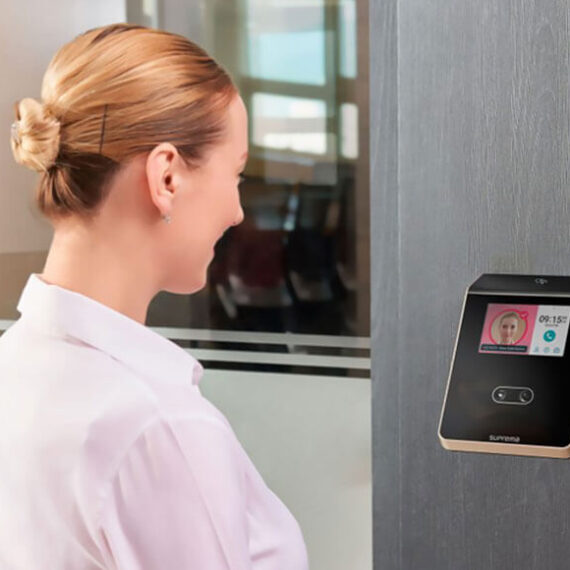
Access Control Solutions have become indispensable across a wide range of industries and sectors. From enhancing physical security to ensuring regulatory compliance, the applications are diverse and critical. In Qatar’s rapidly evolving infrastructure landscape — with its mix of corporate offices, government facilities, malls, and smart buildings —Access Control Solutions are a fundamental part of any security strategy.
Below are key sectors and real-world scenarios where access control systems are used extensively:
1. Corporate Offices and Business Parks
In modern offices, security, privacy, and operational control are essential. Access control systems help manage employee entry based on roles and shifts, protect sensitive departments like HR and Finance, and simplify visitor access.
- Benefits:
- Limit employee access to relevant departments
- Monitor entry/exit for time tracking
- Prevent unauthorized access to server rooms or boardrooms
- Easily manage visitors and contractors
- Use in Qatar:
- Doha’s West Bay towers and Lusail Smart City’s corporate zones commonly use RFID and biometric access systems.
2. Hospitals and Healthcare Facilities
In hospitals, it’s vital to protect restricted areas such as:
- Operating rooms
- ICUs
- Medical supply storage
- Data centers (patient records)
Access Control Solutions ensures that only medical staff or authorized personnel can enter high-risk or confidential zones. Additionally, visitor badges and temporary credentials improve guest management.
- Regulatory Note: Systems often support compliance with health and safety regulations, especially concerning sensitive patient data (e.g., HIPAA-equivalent policies).
3. Government Buildings
Government institutions require strict access controls due to the sensitivity of information and activities handled. Access control systems are deployed to:
- Safeguard secure records
- Restrict movement within departments
- Track staff attendance
- Automate visitor entry with traceable logs
- Example: Ministries, embassies, and municipal buildings in Qatar utilize high-security systems such as facial recognition or iris scanners integrated with CCTV for advanced surveillance.
4. Hotels and Hospitality Industry
Access control solutions are critical in:
- Managing room access via smart keycards or mobile credentials
- Controlling access to gyms, pools, business centers, and VIP areas
- Securing staff-only zones like kitchens or storage rooms
Modern hotels are increasingly integrating access systems with property management systems (PMS) and energy-saving controls, enhancing guest comfort and staff efficiency.
- Use in Qatar: Luxury hotels in The Pearl, West Bay, and Lusail integrate room access with guest profiles and mobile apps for seamless experiences.
5. Schools, Colleges, and Universities
Educational institutions face growing security concerns. Access control helps:
- Secure campus gates and dormitories
- Limit access to labs and IT rooms
- Automate student attendance
- Prevent trespassing and manage visitor entry
- Example: Universities like Qatar University and Education City campuses deploy student ID-based access with time-based rules.
6. Residential Complexes and Smart Homes
Smart access control for villas, gated communities, and apartment buildings offers residents:
- Keyless entry via smartphones or PINs
- Guest access with QR codes
- Visitor logs and delivery management
- Integration with smart doorbells and home automation
- Popular Use Case: In Lusail Marina District and The Pearl, access control systems are part of centralized community management systems offering convenience and security.
7. Retail Stores and Shopping Malls
Retail environments need to secure:
- Cash counters
- Stock rooms
- Management offices
- Mall security areas
Access control helps prevent theft, internal fraud, and unauthorized backdoor access. Integration with EAS (Electronic Article Surveillance) and CCTV provides a full retail security solution.
- Mall Use: Landmark and Villaggio malls use access control for both front-end retail spaces and back-end logistics.
8. Industrial Facilities and Warehouses
Factories, logistics hubs, and oil & gas plants require strict access to:
- Hazardous zones
- Control rooms
- Machinery areas
- Inventory zones
Biometric access, RFID readers, and multi-factor authentication help protect workers and property while ensuring compliance with industrial safety regulations.
- Example: Ras Laffan and Mesaieed Industrial City deploy robust perimeter access systems and vehicle gates.
9. Airports and Transportation Hubs
Access control plays a crucial role in:
- Securing boarding gates and lounges
- Managing restricted access to airside zones
- Controlling baggage handling and cargo access
- Integrating with e-passport and immigration systems
- Use in Qatar: Hamad International Airport (HIA) uses advanced biometric and card-based systems across terminals, back offices, and critical zones.
10. Banks and Financial Institutions
Banking and finance require top-tier security:
- Vaults and data centers
- Branch server rooms
- Teller counters
- ATM machine rooms
Access control combined with surveillance ensures regulatory compliance, fraud prevention, and internal accountability.
- Technology Used: Fingerprint and facial scanners integrated with centralized branch security systems.
11. Construction Sites and Project Locations
Temporary sites need portable yet secure access management to:
- Track worker attendance
- Prevent theft of materials and tools
- Monitor contractor access based on job roles
- Use Case: Mega projects in Lusail and Al Wakra use turnstile access systems and mobile credential readers for onsite worker verification.
12. Parking Lots and Vehicle Access Gates
Vehicle access control systems manage:
- Employee and visitor parking
- Entry barriers with ANPR (Automatic Number Plate Recognition)
- RFID-based car tags
- Time-based access to company garages
- Integration: Parking access systems often sync with office access controls for end-to-end automation.
13. High-Security Facilities
These include:
- Military bases
- Data centers
- Research labs
- Server farms
Such zones often demand:
- Triple authentication
- Real-time video validation
- Tamper-proof logs
- Emergency lockdown features
Leading Brands in Access Control: Suprema, Matrix, ZKTeco
Axle Systems prides itself on partnering with globally recognized leaders in access control technology to bring the best-in-class solutions to Qatar. Among our esteemed partners are:
- Suprema: A global leader in biometrics and security, Suprema offers a comprehensive range of biometric access control and time attendance solutions. Their innovative products, including facial recognition terminals, fingerprint readers, and intelligent controllers, are renowned for their accuracy, speed, and reliability. Suprema’s BioStar 2 platform provides a scalable and flexible architecture for multi-credential support and full-featured access control, including cloud-based options.
- Matrix Comsec: Matrix is a prominent provider of cutting-edge security and telecom solutions. Their access control systems combine robust hardware with user-friendly web-based software, offering features like Anti-Passback, 2-Person rule, and seamless integration with fire alarms and video surveillance. Matrix solutions are designed for foolproof security, ensuring the safety of physical assets and personnel across diverse organizational needs.
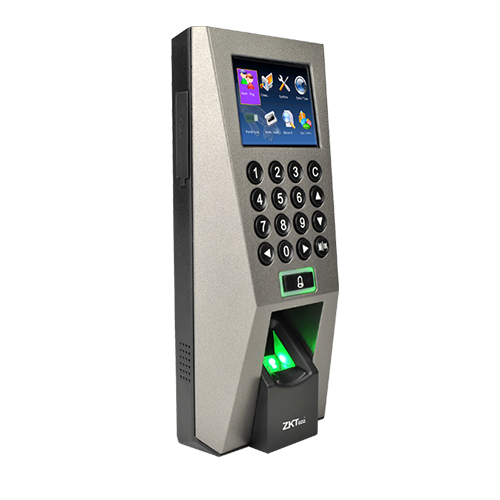
- ZKTeco: ZKTeco is a globally recognized enterprise specializing in biometric recognition techniques and smart entrance management. They offer a wide range of biometric access control, time attendance systems, and security inspection solutions, including fingerprint, facial recognition, and RFID technologies. ZKTeco’s products are known for their advanced features, flexibility, scalability, and ease of integration, catering to businesses and homes of all sizes.
By leveraging the expertise and innovative products from these industry leaders, Axle Systems ensures that our clients in Qatar receive the most advanced, reliable, and tailored Access Control Solutions available.
Axle Systems: Your Trusted Partner for Access Control Solutions in Qatar
Axle Systems is not just a supplier; we are a comprehensive security solutions provider deeply committed to protecting your assets and people in Qatar. Since 2012, we have established ourselves as an ISO 9001-2008 certified company, delivering excellence in security systems integration.
Why choose Axle Systems for your Access Control Solutions needs in Qatar?
- Local Expertise, Global Standards: We combine in-depth knowledge of the Qatari market and its unique security landscape with adherence to international best practices and technologies.
- Customized Solutions: We understand that every organization has distinct security requirements. Our team of highly trained and experienced professionals conducts thorough site assessments and consultations to design bespoke access control solutions that perfectly align with your specific needs and budget.
- Partnerships with Leading Brands: Our collaborations with global leaders like Suprema, Matrix, ZKTeco, and others ensure that you receive the most reliable, advanced, and future-proof access control systems available.
- End-to-End Services: From initial consultation and system design to professional installation, comprehensive staff training, and ongoing preventive maintenance and repair services, Axle Systems provides complete lifecycle support for your access control infrastructure.
- 24/7 Technical Support: Our dedicated support team is always available to address any technical issues or concerns, ensuring the continuous and optimal operation of your security systems.
- Proven Track Record: We have a strong portfolio of successful implementations across various sectors in Qatar, earning the trust of numerous clients through our commitment to quality, efficiency, and customer satisfaction.
At Axle Systems, we believe that robust security should be accessible and manageable. Our Access Control Solutions empower you with complete control, allowing you to focus on your core business while we safeguard your premises.
Contact Axle Systems Today!
Ready to enhance your security with cutting-edge Access Control Solutions? Get in touch with Axle Systems for a free consultation or a customized quote. Our experts are ready to assist you in designing and implementing the perfect security solution for your organization.
- Phone: +974 4468 2391
- Email: info@axlesys.com
- Website: www.axlesys.com
- Address: P.O. Box 200081, Al Khalidiya Street, Najma, Doha, Qatar
We look forward to partnering with you to build a more secure future.
Common FAQs about Access Control Solutions
Here are some frequently asked questions about Access Control Solutions to help you better understand these vital security systems:
Q1: What is the fundamental difference between traditional locks and Access Control Solutions?
A1: Traditional locks rely on physical keys, which are prone to loss, theft, and unauthorized duplication. An Access Control System uses electronic credentials (cards, biometrics, PINs, mobile apps) and a centralized management system. This allows for dynamic control over access rights, real-time monitoring, detailed audit trails, and the ability to instantly revoke or modify access without changing physical locks.
Q2: How secure are biometric Access Control Solutions? Can they be fooled?
A2: Biometric systems are generally considered the most secure form of access control because they rely on unique, inherent human characteristics. Modern biometric systems, especially those using facial recognition or fingerprint scanning, incorporate advanced algorithms and “liveness detection” technologies to prevent spoofing attempts (e.g., using photos or prosthetic fingerprints). While no system is 100% infallible, biometrics offer a significantly higher level of security compared to traditional methods.
Q3: Can Access Control Solutions integrate with other existing security systems?
A3: Absolutely. One of the key advantages of modern access control systems is their ability to integrate seamlessly with other security and building management systems. This includes CCTV surveillance, intruder alarms, fire detection systems, time and attendance software, visitor management platforms, and even elevator control systems. This integration creates a holistic security ecosystem, enhancing efficiency, situational awareness, and incident response capabilities.
Q4: What happens if there’s a power outage? Will the doors remain locked or unlocked?
A4: This depends on how the system is configured, offering either “fail-safe” or “fail-secure” operation. * Fail-safe: In a power outage, the door automatically unlocks. This is often preferred for areas where quick evacuation is critical (e.g., main exits in public buildings) to ensure safety. * Fail-secure: In a power outage, the door remains locked. This is typically used for high-security areas (e.g., server rooms, vaults) where maintaining security is paramount even without power. Battery backups are also commonly used to ensure continuous operation for a specified period.
Q5: How difficult is it to manage Access Control Solutions, especially for a large organization?
A5: Modern Access Control Systems are designed with user-friendliness in mind. They typically come with intuitive, centralized software platforms (often web-based or mobile-compatible) that simplify management. Administrators can easily add/remove users, assign/modify access permissions, view activity logs, and generate reports with minimal training. For large organizations, these systems are highly scalable and can manage thousands of users and access points efficiently.
Q6: Can temporary access be granted for visitors or contractors?
A6: Yes, this is a common and crucial feature. Access control systems allow administrators to issue temporary credentials (e.g., visitor cards, mobile passes, or time-limited PINs) for specific durations or to specific areas. Once the designated period expires, the access rights are automatically revoked, enhancing security and streamlining visitor management.
Q7: What are the different types of credentials used in Access Control Solutions?
A7: Common credential types include: * Proximity Cards/RFID Cards: Contactless cards read by a reader when held close. * Smart Cards: Cards with embedded microchips that can store more data and offer enhanced security features. * Key Fobs: Small, portable devices functioning like cards. * PIN Codes: Numerical codes entered on a keypad. * Biometrics: Fingerprint, facial, iris, palm vein recognition. * Mobile Credentials: Using a smartphone app via Bluetooth or NFC. * QR Codes/Barcodes: Scanned for temporary or specific access.
Q8: What is “Anti-Passback” and why is it important?
A8: Anti-Passback is a security feature that prevents a user from “passing back” their credential to another person to gain unauthorized entry. It works by requiring a user to “exit” the controlled area with their credential before they can “enter” again. This prevents two people from entering on a single credential, significantly enhancing security, especially in areas where tailgating is a concern.
Q9: Do Access Control Solutions provide reports and audit trails?
A9: Absolutely. This is one of the most valuable features. Access control systems meticulously log every event, including successful entries, denied access attempts, door forced open alarms, and more. These logs can be used to generate comprehensive reports, providing invaluable data for security investigations, compliance audits, and analyzing traffic flow within your premises.
Q10: How can Access Control Solutions help with time and attendance tracking?
A10: Many access control systems integrate seamlessly with time and attendance software. When employees use their credentials to enter or exit, the system automatically records their clock-in and clock-out times. This data can then be used for payroll processing, tracking employee hours, and monitoring punctuality, significantly simplifying HR operations.
Conclusion
In an increasingly connected and security-conscious world, Access Control Solutions are no longer optional — they are essential. From safeguarding sensitive areas in corporate offices to enhancing guest experiences in hotels and securing critical zones in government, healthcare, and industrial facilities, access control systems are transforming how organizations protect people, property, and information.
With a wide range of features such as biometric verification, mobile access, centralized monitoring, role-based permissions, and system integrations with CCTV, fire alarms, and BMS, these solutions not only boost security but also improve efficiency, compliance, and convenience.
Whether you’re managing a single entry point or an entire nationwide network of branches, modern access control technologies from global brands like Suprema, Matrix, and ZKTeco deliver the reliability, flexibility, and scalability your business needs.