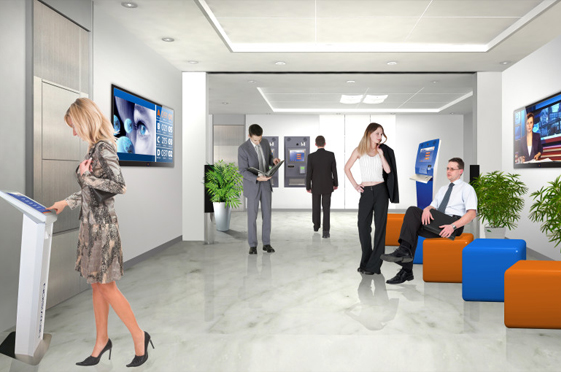

Waiting Queue System in Qatar
In today’s fast-paced service environment, customer experience plays a critical role in shaping brand perception. One of the most overlooked, yet highly impactful, elements of service delivery is how effectively customers are managed during waiting periods. A Waiting Queue System solves this by organizing the flow of people, reducing wait times, and enhancing satisfaction. In Qatar, Axle Systems is a leading supplier of state-of-the-art waiting queue solutions that meet the demands of modern businesses.
Whether you run a hospital, bank, telecom center, government office, retail chain, or educational institution, a Waiting Queue System is essential to streamline operations and improve efficiency.
What is a Waiting Queue System?
A Waiting Queue System is an automated or semi-automated system designed to manage customer flow by organizing waiting lines in a structured and intelligent manner. These Waiting Queue System typically use digital token displays, kiosks, mobile apps, and audio announcements to guide customers, track wait times, and assign service counters.
Instead of traditional linear queues, customers receive a ticket or digital token and are called forward when it’s their turn. This creates a more comfortable, fair, and stress-free waiting experience.
Benefits of a Waiting Queue System
Implementing a modern Waiting Queue System transforms how organizations interact with their customers. More than just managing queues, it offers a holistic solution to streamline operations, reduce inefficiencies, and elevate the customer experience. Here’s a deeper look at the wide-ranging benefits:
1. Enhanced Customer Satisfaction
Traditional queues can be a major source of frustration for customers, especially in busy environments such as hospitals, government offices, banks, and retail outlets. A digital Waiting Queue System eliminates the need for physically standing in line. Customers can sit comfortably, monitor their turn through digital displays or mobile apps, and enjoy a more relaxing experience.
Moreover, by allowing customers to take virtual tickets via kiosk or online, and by keeping them informed through SMS or app notifications, the perceived waiting time is drastically reduced. This sense of control and predictability fosters positive emotions, leading to improved satisfaction and loyalty.
2. Reduced Waiting Times
Waiting Queue System are designed to intelligently route customers to the most appropriate service counter based on their needs, the current queue length, and the availability of staff. This smart allocation prevents bottlenecks and ensures that service delivery is evenly distributed.
The use of queue segmentation (such as regular, VIP, or priority queues) allows institutions to serve different customer types more efficiently. Advanced algorithms continuously balance the workload, reducing both actual and perceived wait times — a key factor in overall customer experience.
3. Efficient Resource Allocation
For businesses and service providers, a major operational challenge is deploying human resources effectively throughout the day. Waiting Queue System provide detailed insights into visitor flow patterns, helping managers:
- Anticipate peak hours
- Assign staff dynamically
- Identify underperforming counters
- Balance workloads across service desks
This allows organizations to ensure that no resources are wasted and no customer is left unattended. Staffing can also be optimized during off-peak hours, saving costs while maintaining service quality.
4. Real-Time Reporting and Analytics
Data is power — and the Waiting Queue System generates a lot of it. These platforms provide real-time dashboards and historical reports on:
- Customer wait times
- Average service duration
- Number of customers served per staff
- Service-specific demand
- Customer feedback ratings (where applicable)
This data is essential for continuous improvement. Organizations can refine their processes, schedule staff more efficiently, and make informed decisions backed by hard metrics. Over time, this improves operational efficiency and customer satisfaction.
5. Increased Revenue Potential
One of the most surprising benefits of a well-implemented Waiting Queue System is its impact on revenue. When customers feel less stressed about waiting, they’re more open to exploring other services or products. For example:
- In banks, customers may be more willing to discuss financial products with relationship managers.
- In retail environments, they may browse and buy additional items while waiting.
- In hospitals or clinics, a better experience can lead to more referrals or repeat visits.
Satisfied customers are also more likely to leave positive reviews or recommend your service to others — generating valuable word-of-mouth marketing.
6. Improved Brand Image
First impressions count — and a chaotic, unmanaged queue can seriously damage a customer’s perception of your organization. A sleek, digital Waiting Queue System reflects a forward-thinking, customer-centric approach. Branded display screens, automated ticketing kiosks, and SMS alerts all contribute to a professional, polished image.
In sectors like healthcare, government, and finance where reliability and trust are paramount, having an organized queuing process also boosts credibility. The integration of multilingual interfaces and accessibility features further demonstrates inclusiveness and care for all demographics.

Key Features of Waiting Queue System
A modern Waiting Queue System goes beyond simply issuing tokens or managing lines — it delivers a complete solution for controlling customer flow, enhancing engagement, and optimizing internal operations. Below is a comprehensive look at the essential features that make these systems a valuable asset across various industries:
1. Self-Service Kiosks and Ticket Dispensers
Customers can check in or register themselves using user-friendly touch-screen kiosks or ticket dispensers. These devices are usually placed at the entrance or service reception area, allowing customers to:
- Select the required service
- Enter identification information
- Receive a printed or virtual queue number
This not only improves efficiency but also reduces the dependency on front desk personnel. Some kiosks also support QR scanning, ID verification, and language preferences.
2. Mobile Queueing and Virtual Tokens
With mobile queueing, customers can book their place in line remotely via a mobile app or a web portal — even before arriving at the service location. Virtual tokens are sent to their smartphones, eliminating the need for physical tickets.
This feature enhances convenience, reduces in-store congestion, and is ideal for locations with limited physical space. Notifications (e.g., “You’re next in line!”) help customers stay informed, improving time management and overall experience.
3. Digital Token Display Screens
Strategically placed LED or LCD displays show real-time queue status, counter numbers, and token calls. These screens can also display:
- Estimated waiting times
- Service desk status (busy, available, etc.)
- Promotional or branding content during idle time
Clear and multilingual displays improve communication and ensure customers are always aware of their position in the queue.
4. Audio Announcements and Counter Calling Units
For enhanced accessibility, Waiting Queue System include audio announcement systems that call out token numbers along with assigned counters. This feature is especially useful in high-traffic or noisy environments, and also supports inclusion for the visually impaired.
Staff can use calling units to:
- Call next token
- Recall previous token
- Transfer token to another counter
- Mark a service as complete or skipped
5. Smart Queue Management Algorithms
Waiting Queue System use intelligent algorithms to route customers efficiently. These algorithms take into account:
- Counter availability
- Type of service requested
- Priority or VIP status
- Staff workload
The system dynamically adjusts the queue order to ensure fair, efficient, and timely service across departments or counters. This results in reduced waiting time and optimized customer handling.
6. Real-Time Monitoring Dashboard
Administrators and managers have access to a real-time dashboard that displays all ongoing queue activity, including:
- Number of customers waiting
- Average wait and service time
- Staff performance metrics
- Counter-specific service loads
This live data enables proactive decision-making — such as opening additional counters during peak hours or reallocating staff to balance demand.
7. Comprehensive Reports and Analytics
Beyond real-time data, the system generates historical reports on:
- Service trends
- Daily/weekly/monthly customer volumes
- Staff efficiency
- Dropout rates
- Customer satisfaction (if integrated with feedback tools)
These insights are invaluable for forecasting, process optimization, staff training, and service enhancement.
8. Integration with Other Systems
Waiting Queue System can seamlessly integrate with:
- Appointment booking platforms
- CRM and ERP systems
- Electronic Health Records (EHR) in hospitals
- Digital signage solutions
- Customer feedback modules
Such integrations offer a seamless end-to-end journey from pre-arrival to post-service, enhancing operational efficiency and improving customer insights.
9. Multilingual and Accessible Interfaces
In a diverse environment like Qatar, multilingual support is critical. Modern systems offer interfaces in Arabic, English, and other languages, ensuring inclusivity.
Additionally, accessible features like high-contrast screens, audio guidance, and large text options support users with disabilities.
10. Queue Type Customization (Regular, Priority, VIP)
Businesses often serve various customer groups with different urgency levels. Waiting Queue System allow the creation of custom queues such as:
- Standard queue
- VIP/priority queue
- Special assistance queue
- Service-specific queues (e.g., payments, inquiries, technical support)
This ensures a fair, fast, and appropriate service flow for all types of customers.
11. Notifications and Reminders
Waiting Queue System can notify customers via SMS, email, or app push notifications at different stages:
- Queue registration confirmation
- Estimated waiting time
- When it’s almost their turn
- Post-service feedback request
These proactive updates keep customers engaged and reduce missed turns or no-shows.
12. Cloud or On-Premise Deployment Options
Depending on business requirements, Waiting Queue System can be deployed:
- On-premise: For full control and internal hosting
- Cloud-based: For easy scalability, remote access, and reduced IT maintenance
This flexibility ensures compatibility with businesses of all sizes and types — from single branches to enterprise-level networks.
13. Secure and Compliant
Waiting Queue System are designed with data privacy and security in mind. They comply with industry standards such as GDPR or HIPAA (in healthcare). User data is protected through secure encryption, access control, and audit trails.
These features combine to create a comprehensive, user-friendly, and scalable Waiting Queue System that meets the unique service delivery demands of businesses in Qatar.
Uses of Waiting Queue System
A Waiting Queue System is an essential component in any service-oriented environment where managing customer flow is critical. These systems are widely used across various sectors to reduce congestion, improve service efficiency, and provide a more organized and stress-free experience for visitors.
Below are the major sectors and specific use cases where Waiting Queue System deliver real, measurable value:
1. Hospitals and Clinics
In healthcare, managing patient flow is crucial for delivering timely and effective care. A Waiting Queue System allows patients to register upon arrival, receive a queue number, and wait comfortably until called.
Use Cases in Healthcare:
- Outpatient department (OPD) queue management
- Laboratory and diagnostic center waiting areas
- Pharmacy queue handling
- Appointment integration with token system
- Emergency triage and prioritization
Benefits: Reduces patient anxiety, streamlines medical staff workload, and ensures prioritization based on urgency or appointment type.
2. Banks and Financial Institutions
Banks deal with a large volume of customers needing different services — from simple transactions to complex consultations. Waiting Queue System help direct customers to the appropriate service desks without causing confusion or long wait lines.
Use Cases in Banks:
- Segregation of services (teller, loans, customer service)
- VIP or priority customer queuing
- Branch network monitoring via centralized dashboard
- Integration with mobile appointment booking
Benefits: Speeds up operations, reduces crowding, and improves customer satisfaction, especially during peak hours.
3. Government Offices
Public service departments such as immigration, civil registration, licensing, and taxation often face high customer footfall. Waiting Queue System ensure citizens are served in a transparent, fair, and timely manner.
Use Cases in Government:
- Municipality offices
- Immigration and passport departments
- Traffic department and vehicle registration
- Labor and employment offices
- Utility bill payment counters
Benefits: Minimizes crowding, ensures equitable service distribution, and improves trust in public institutions through transparency.
4. Retail Stores and Showrooms
Retailers use queue systems to manage waiting areas such as billing counters, fitting rooms, and customer service desks. Premium stores may also offer appointment-based services with queue integration.
Use Cases in Retail:
- Customer service and complaint resolution counters
- Billing and checkout lines
- Electronic and gadget service counters
- Premium service or personal shopping sessions
Benefits: Reduces walkouts due to long wait times, boosts customer loyalty, and increases cross-selling opportunities while customers wait.
5. Airports and Airlines
At airports, Waiting Queue System play a critical role in managing passengers across multiple touchpoints. These systems ensure timely service and avoid chaos, especially during peak travel periods.
Use Cases in Airports:
- Check-in counters
- Immigration and security checks
- Lost & found or baggage services
- Airline customer support desks
- VIP lounges
Benefits: Ensures orderly movement of passengers, improves staff coordination, and enhances passenger experience.
6. Educational Institutions
Colleges and universities also benefit from queue systems, especially during admission periods, fee payments, and student service desk activities.
Use Cases in Education:
- Student registration and admissions
- Library or book issue counters
- Career counseling and academic advisory services
- Exam and transcript collection
Benefits: Reduces confusion and long lines during high-traffic events such as enrollment season, open days, or graduation.
7. Hotels and Hospitality
In the hospitality industry, managing guests efficiently is key to ensuring a smooth experience. Waiting Queue System can be used in lobbies, concierge desks, and even spas.
Use Cases in Hospitality:
- Hotel check-in and check-out
- Concierge and front desk services
- Restaurant or café waiting areas
- Spa and wellness centers
Benefits: Enhances the guest experience by eliminating long queues and making services feel more personalized and luxurious.
8. Customer Service Centers and Call Centers
In both physical and hybrid service centers, queue systems organize customer interactions efficiently.
Use Cases in Service Centers:
- Telecom service centers
- Utility bill payment outlets
- IT support and repair centers
- Complaint handling desks
Benefits: Enables fair queue handling, offers real-time performance tracking, and improves first-contact resolution rates.
9. Embassies and Consulates
Embassies often deal with visa applicants, document attestation, and emergency services. Queue systems are essential for maintaining order and security.
Use Cases in Embassies:
- Visa application and interview scheduling
- Document submission and attestation
- Passport renewals and citizen services
Benefits: Avoids overcrowding, enhances service transparency, and improves overall applicant experience.
10. Shopping Malls and Hypermarkets
Waiting Queue System in malls help manage multiple service points like customer info desks, loyalty counters, product pickup zones, and more.
Use Cases in Shopping Malls:
- Customer help desks
- Loyalty program registration
- Gift card and redemption counters
- Complaint management
Benefits: Keeps customer journeys smooth and enhances the perception of organization within the retail complex.
11. Corporate Offices and Business Centers
Modern businesses use Waiting Queue Systems in their reception areas to manage visitors, vendors, or interviewees.
Use Cases in Corporates:
- Reception and visitor check-in
- HR interview queues
- IT helpdesk queues for employees
- Executive appointments
Benefits: Reflects professionalism, increases time efficiency, and enhances the visitor experience.
12. Car Service Centers and Dealerships
Auto showrooms and vehicle service centers often deal with a high number of walk-in and scheduled visitors. Waiting Queue System help reduce congestion and ensure fair service allocation.
Use Cases in Automotive:
- Service booking and check-in queues
- Spare part or accessory counters
- Insurance or financing desks
- Test drive scheduling
Benefits: Reduces complaints about long waits, improves staff efficiency, and builds customer trust.
13. Religious and Cultural Institutions
Temples, mosques, churches, and museums with high visitor traffic can also benefit from structured queue systems.
Use Cases in Cultural Places:
- Guided tour registration
- Donation or inquiry desks
- Event or prayer service scheduling
Benefits: Ensures crowd control, improves accessibility, and enhances the visitor experience during busy periods.
Leading Brands in Waiting Queue Systems
At Axle Systems, we pride ourselves on offering the best-in-class Waiting Queue System from globally recognized brands, ensuring our clients in Qatar receive robust, reliable, and innovative solutions. We partner with:
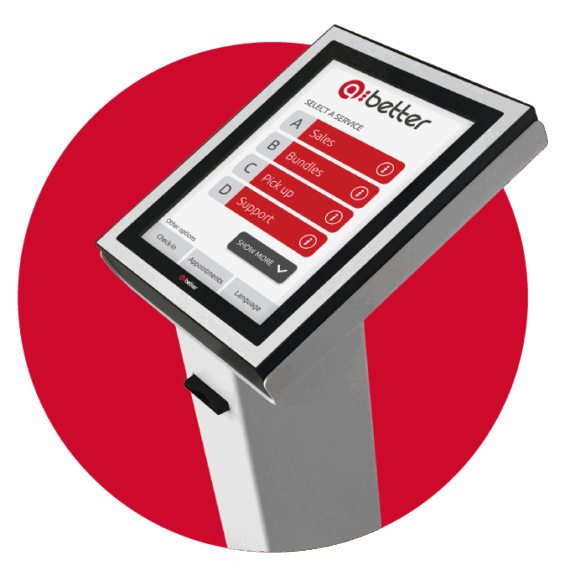
Qbetter:
Qbetter offers a modern and intuitive queue management system designed to transform customer experience. Its key features include:
- Virtual Queuing & Mobile Queueing: Allowing customers to wait from anywhere using their mobile devices and receive real-time updates.
- Appointment Booking: An all-in-one platform featuring seamless appointment scheduling.
- Self-Service Kiosks: Intuitive touch-screen kiosks for customers to select services and receive tickets (physical or virtual).
- Digital Signage Integration: High-visibility screens displaying real-time queue status, estimated wait times, and promotional content.
- Real-Time Data Analytics and Reporting: A comprehensive dashboard providing insights into customer flow, average waiting times, service durations, and counter efficiency.
- Customer Feedback: Tools to capture real-time feedback for continuous improvement.
- Omnichannel Customer Engagement: Engaging with customers across various preferred channels.
Qmatic:
A global leader in customer journey management, Qmatic provides comprehensive solutions that streamline operations and deliver seamless customer experiences. Qmatic’s systems are known for:
- Enterprise-Grade Scalability: Solutions built for organizations with complex requirements, multiple service points, and branches.
- Appointment Management: Robust features for customers to book appointments anytime, anywhere, optimizing staff allocation.
- Virtual Queuing: Eliminating physical queues by allowing visitors to join lines remotely and monitor their progress.
- Self-Service Check-in: Quick check-in via kiosks, mobile devices, or reception.
- Automated Notifications: Regular updates on waiting times via phone or digital displays.
- Reporting & Analytics: In-depth data for continuous operational improvements and better customer experience, including average waiting times and staff performance.
- Customer Feedback: User-friendly online surveys and applications to gather customer insights.
- Voice Announcements: AI-powered announcements for clear communication.
QueueBee:
QueueBee offers versatile and user-friendly queue management solutions focused on enhancing customer satisfaction and operational efficiency. Key features include:
- Live Queue Status: Keeping customers informed with real-time queue updates on virtual tickets.
- Appointment Booking & Customer Portal: Simplifying scheduling and offering an integrated platform for queues, appointments, and feedback.
- Virtual Call Terminal: A web-based, user-friendly app for staff to simplify queue management.
- Advanced Queue Ticket Capabilities: Supporting both paper and paperless options, flexible ticket styles (QR codes, barcodes), and personalized designs.
- Centralized Dashboard: A fully web-based, real-time analytics dashboard accessible from any device, anywhere.
- Prioritized Queuing: Addressing the needs of customers with special requirements.
- Estimated Wait Time: Providing accurate wait time predictions based on current queue situations.
- Integration and Compatibility: Seamless integration with existing CRM systems for streamlined data management.
Each of these brands brings unique strengths to the table, and Axle Systems leverages this diversity to provide tailored solutions that perfectly match the specific needs and budget of businesses in Qatar.
Axle Systems: Your Trusted Partner for Waiting Queue Systems in Qatar
At Axle Systems, we are more than just a supplier; we are your strategic partner in optimizing customer flow and enhancing service delivery. With over 12 years of industry presence and ISO certification, we have established ourselves as a trusted name in security and smart solutions across Qatar.
We offer end-to-end services, encompassing:
- Consultation and Needs Assessment: Our experts work closely with you to understand your unique operational challenges and recommend the most suitable Waiting Queue System.
- System Design and Customization: We design solutions that are precisely tailored to your business processes and branding.
- Professional Installation: Our highly trained and experienced technicians ensure seamless and efficient installation.
- Integration: We integrate the Waiting Queue System with your existing business tools (CRM, ERP, etc.) for a unified operation.
- Training and Support: We provide comprehensive training for your staff and offer ongoing maintenance and support to ensure optimal performance.
Why Choose Axle Systems?
- Local Expertise: Deep understanding of the Qatari market and its unique business requirements.
- Proven Track Record: Over a decade of successful implementations across diverse industries.
- Certified Quality: ISO 9001-2008 certified, ensuring high standards in all our services.
- Partnerships with Global Leaders: Access to the latest and most advanced technologies from Qbetter, Qmatic, and QueueBee.
- Dedicated Customer Support: Our team is committed to providing prompt and effective support to ensure your system runs smoothly.
Contact Axle Systems Today! Ready to transform your customer waiting experience and boost your operational efficiency? Contact Axle Systems today for a free consultation or to learn more about our Waiting Queue System solutions.
Axle Systems Contact Details:
- Phone: +974 4468 2391
- Email: info@axlesys.com
- Website: www.axlesys.com
- Address: Al Khalidiya Street, P.O. Box 200081, Najma, Doha, Qatar
Common FAQs about Waiting Queue Systems
To help you better understand Waiting Queue System, here are some frequently asked questions:
Q1: What exactly is a Waiting Queue System?
A: A Waiting Queue System (QMS) is an automated solution designed to manage and organize the flow of people waiting for a service. It aims to minimize wait times, improve customer experience, and enhance operational efficiency by providing structured and often virtual queuing options.
Q2: How does a Waiting Queue System work?
A: Typically, customers enter a queue by taking a physical ticket from a dispenser or by using a self-service kiosk, mobile app, or web portal to get a virtual ticket. The system then manages their position in the queue, displaying real-time updates on digital screens or sending notifications to their mobile devices. When their turn arrives, they are called to the appropriate service counter or agent.
Q3: What are the main types of Waiting Queue System?
A: The most common types are:
- Linear/Traditional Queuing: Customers wait in a single, physical line (though modern QMS can manage this more efficiently).
- Virtual Queuing: Customers do not physically wait in line but are managed digitally, often receiving updates via their mobile devices.
- Appointment-Based Queuing: Systems that allow customers to pre-book their service slots, reducing walk-in wait times. Modern systems often combine elements of all these, offering flexibility to customers and businesses.
Q4: What are the key benefits of implementing a Waiting Queue System?
A: Key benefits include reduced customer wait times (both actual and perceived), increased customer satisfaction, improved staff productivity, better resource allocation, enhanced data-driven decision-making, better crowd control, and a more pleasant overall customer experience.
Q5: Can a Waiting Queue System integrate with my existing business software?
A: Yes, most modern Waiting Queue System, especially those from leading brands like Qbetter, Qmatic, and QueueBee, are designed for seamless integration with other business tools such as CRM (Customer Relationship Management) software, ERP (Enterprise Resource Planning) systems, and HR systems. This allows for unified operations and comprehensive data management.
Q6: Is a QMS suitable for small businesses or only large enterprises?
A: Waiting Queue System are scalable and can benefit businesses of all sizes. While large enterprises with high customer traffic clearly benefit from complex, multi-branch solutions, smaller businesses can also significantly improve their customer experience and operational efficiency with simpler, cost-effective QMS implementations.
Q7: How can a Waiting Queue System improve customer satisfaction?
A: By providing transparency (estimated wait times), flexibility (virtual queuing), and comfort (allowing customers to wait anywhere), a QMS reduces anxiety and frustration. Customers feel more in control, leading to a more positive and satisfying experience, and ultimately, increased loyalty.
Q8: What kind of data and analytics can I expect from a Waiting Queue System?
A: A robust QMS provides valuable insights into customer flow, including:
- Average wait times and service times.
- Peak hours and busiest days.
- Number of customers served per agent/counter.
- Service durations for different types of transactions.
- Customer feedback and satisfaction ratings. This data helps identify bottlenecks and optimize operations.
Q9: How does the Waiting Queue System contribute to staff efficiency?
A: By automating queue management tasks, staff are freed from manual intervention, allowing them to focus on providing quality service. Real-time monitoring helps managers allocate staff effectively, balance workloads, and identify training needs, leading to increased productivity and reduced stress for employees.
Q10: Are there options for contactless queue management?
A: Absolutely. Modern QMS solutions are designed with contactless features, including mobile check-ins, QR code scanning for virtual tickets, and digital notifications. This reduces physical interaction and promotes a safer, more hygienic environment, which is particularly important in today’s health-conscious world.
Q11: Can customers receive updates on their phone if they’re waiting remotely?
A: Yes, a core feature of virtual queuing is the ability to send automated notifications via SMS, WhatsApp, or dedicated mobile apps. These updates inform customers about their current queue position, estimated wait times, and when it’s their turn to be served.
Q12: How do I choose the right Waiting Queue System for my business in Qatar?
A: When choosing a QMS, consider your business size, industry, specific customer flow challenges, budget, and desired features. It’s best to consult with an experienced supplier like Axle Systems in Qatar, who can assess your needs and recommend a tailored solution from leading brands like Qbetter, Qmatic, and QueueBee.