

EAS System in Retail Stores in Qatar
Retailers in Qatar face the ongoing challenge of preventing theft, improving customer experience, and maintaining profitability. One of the most reliable and effective security technologies used globally to address these challenges is the Electronic Article Surveillance (EAS) system. From supermarkets to fashion boutiques and electronics stores, EAS System in Retail Stores are integral in reducing shrinkage, deterring shoplifting, and boosting operational efficiency.
In this detailed guide, we explore how EAS systems benefit retail stores in Qatar, their features, applications, top brands like Cross Point, and how Axle Systems, a leading supplier in Qatar, supports retailers with state-of-the-art EAS System in Retail Stores.
What is an EAS System in Retail Stores?
An EAS System in Retail Stores is an advanced loss prevention technology widely used in retail environments to minimize theft, enhance security, and protect merchandise. These systems help retailers safeguard their products without disrupting the shopping experience for genuine customers.EAS System in Retail Stores are especially effective in high-traffic stores where manual monitoring alone is not sufficient.
At its core, an EAS System in Retail Stores is composed of three essential components that work in coordination to detect unauthorized removal of tagged merchandise:
1. Electronic Tags or Labels
These are small security devices that are affixed to individual items within the store. They can be either hard tags, which are typically made of durable plastic and used for high-value items like clothing and electronics, or soft labels, which are adhesive and often used for items like books, cosmetics, and packaged goods. These tags contain a tiny circuit or metal strip that interacts with the EAS detection system.
2. Detectors (Antennas)
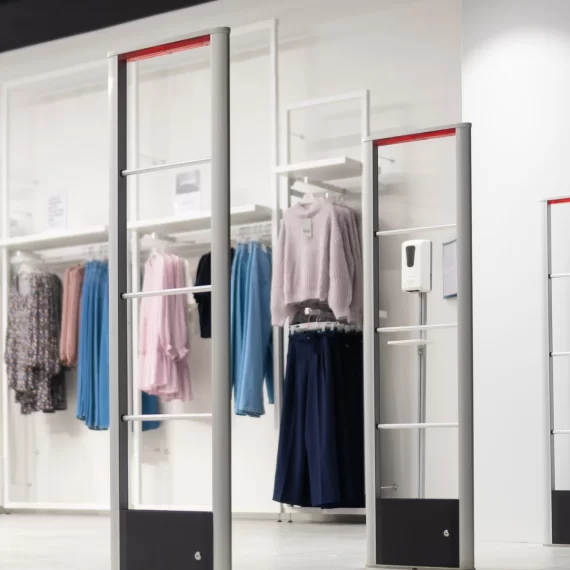
Detectors, also referred to as EAS System in Retail Stores gates or pedestals, are usually installed at the entrances and exits of the retail store. These antennas are responsible for scanning and detecting active EAS tags within their range. When an active tag passes through the gate, the system instantly triggers an audible and/or visual alarm, alerting staff to a possible theft.
3. Deactivation or Detaching Devices
At the point of sale (POS), the cashier uses deactivators or detachers to either remove or disable the tag. Hard tags are usually removed using a magnetic or mechanical detacher, while soft labels are deactivated electronically by disrupting the circuit within the tag using a deactivation pad. This ensures that customers who have paid for their items can leave the store without triggering the alarm system.

How the EAS System in Retail Stores Works in Practice
Here’s a step-by-step overview of how an EAS System in Retail Stores functions during a typical shopping transaction:
- Tagging Products
At the time of stocking or display, store staff attach EAS tags or labels to selected merchandise. Items prone to theft or of high value are typically prioritized for tagging. - Monitoring at the Exit
As shoppers browse through the store, the tagged merchandise remains under the protection of the EAS system. When a shopper approaches the store exit, any item with an active (non-deactivated) tag will be detected by the antennas. - Deactivation or Detachment at Checkout
Upon completing a purchase, the cashier deactivates the label or removes the tag using specialized tools. This renders the tag inactive, allowing the customer to exit the store freely. - Alarm Triggered if Theft Occurs
If a tagged item is not properly deactivated—either due to an oversight or an attempted theft—it will trigger the EAS antennas at the exit. An alarm will sound, alerting store staff to take immediate action.
Types of EAS System in Retail Stores
Electronic Article Surveillance (EAS) systems are available in various technologies, each designed to meet the specific needs of different retail environments. Choosing the right type of EAS System in Retail Stores depends on factors such as the type of merchandise, store layout, frequency of customer traffic, and susceptibility to theft. The three most common types of EAS System in Retail Stores technologies used in retail stores are Radio Frequency (RF), Acoustic-Magnetic (AM), and Electromagnetic (EM) systems.
1. Radio Frequency (RF) Systems
Operating Frequency: 8.2 MHz (standard)
Applications: Apparel stores, department stores, bookstores, supermarkets, and general retail outlets.
Description:
RF systems are the most commonly used EAS System in Retail Stores technology across the world, primarily due to their affordability, reliability, and versatility. These systems work by creating a surveillance field between two antennas placed at store exits. RF tags or labels, which are often flat and adhesive, are detected when passing through this field if not deactivated.
Key Advantages:
- Cost-effective: Both the system and the tags/labels are inexpensive, making RF systems a budget-friendly choice for retailers.
- Suitable for wide exits: RF antennas can be spaced wider apart, which is ideal for stores with broader entrances and exits.
- Quick deactivation: Soft RF labels can be deactivated easily at the point of sale using electronic deactivation pads.
- Thin profile: RF labels are slim and can be applied discreetly to products like books, cosmetics, packaged food, or clothing.
Considerations:
- RF systems can be more susceptible to interference from electronic devices and may not perform as well in environments with a lot of metal shelving or electronic noise.
- The detection accuracy can sometimes be lower compared to AM systems, especially with smaller tags.
2. Acoustic-Magnetic (AM) Systems
Operating Frequency: 58 kHz
Applications: Electronics stores, pharmacies, cosmetic stores, department stores, and high-theft environments.
Description:
AM systems use magnetostrictive technology that allows for more precise detection of tags. These systems send out bursts of energy in timed intervals. When an active tag passes through the detection zone, it responds with an acoustic signal at a specific frequency. The antennas detect this signal and trigger an alarm if the tag has not been deactivated.
Key Advantages:
- High detection accuracy: AM systems offer superior tag detection, even with small tags or in environments with a high level of interference.
- Works well near metals: Unlike RF systems, AM systems perform reliably near metal fixtures or electronic devices, making them ideal for electronics retailers.
- Stronger signal strength: Tags can be detected at a greater distance and in challenging conditions, reducing false alarms.
- Slim and reusable tags: AM hard tags are durable and can be used repeatedly, providing long-term value.
Considerations:
- Slightly more expensive than RF systems in terms of both initial investment and maintenance.
- Not as widely used as RF, but preferred for high-value merchandise and environments with increased theft risks.
3. Electromagnetic (EM) Systems
Operating Principle: Magneto strictive technology with low-frequency fields.
Applications: Libraries, bookstores, media stores, specialty retailers.
Description:
EM systems utilize a low-frequency electromagnetic field to detect magnetic strips or tags. Unlike RF and AM, EM tags can be easily reactivated after being deactivated, which is particularly useful in non-retail environments like libraries or rental stores where the same item is repeatedly borrowed and returned.
Key Advantages:
- Reactivatable tags: Ideal for applications where items are borrowed and returned frequently, such as library books or rental equipment.
- Flexible and small tags: EM tags are extremely thin and flexible, allowing them to be hidden inside book covers or other compact items.
- Works on metal items: EM tags can function effectively on or near metallic surfaces.
- High security: These systems are harder for thieves to bypass or jam due to their low-frequency nature.
Considerations:
- Not commonly used in traditional retail stores due to slower processing and higher tag costs.
- Deactivation/reactivation process can be slower than that of RF or AM systems, which may affect customer throughput in high-traffic retail environments.
Benefits of EAS Systems in Retail Stores
Implementing an EAS System in Retail Stores offers a wide range of benefits that go beyond theft prevention:
1. Reduction in Shoplifting and Theft
EAS systems serve as a visual and physical deterrent to shoplifters. Just the presence of antennas at the store entrance or exit reduces the likelihood of theft attempts.
2. Improved Customer Experience
By using discreet and sleek antennas and tags, retailers can avoid excessive manual security checks and offer customers a frictionless shopping experience.
3. Operational Efficiency
EAS systems automate the detection process. Staff do not need to manually monitor every customer, freeing them up for more productive tasks like customer service or inventory management.
4. Real-Time Alerts
Advanced EAS systems can be integrated with CCTV and POS systems to provide real-time alerts and video footage, enhancing security management.
5. Data Insights
Modern EAS System in Retail Stores offer reporting and analytics that help retailers identify peak theft hours, high-risk zones, and tag usage statistics, allowing them to optimize store layout and staff deployment.
6. Brand Protection
Minimizing losses from theft helps maintain stock levels, supports profitability, and upholds the store’s brand reputation.
Key Features of Modern EAS System in Retail Stores
Modern EAS System in Retail Stores are more sophisticated than ever, offering a range of features designed to maximize security and integration:
- Diverse Technologies (AM vs. RF):
- Acousto-Magnetic (AM) Systems: These typically operate at a frequency of 58 kHz. They offer high detection rates, robust performance, and are less susceptible to interference from metal objects, making them ideal for a wide range of merchandise, including items with high metallic content.
- Radio Frequency (RF) Systems: Operating typically at 8.2 MHz, RF systems are cost-effective and versatile. They are widely used in clothing stores, supermarkets, and environments with fewer metallic interferences.
- Concealed/Invisible Systems: For retailers prioritizing aesthetics, concealed EAS systems can be installed below the floor, dropped from the ceiling, or integrated into door frames, providing discreet yet effective protection without visible pedestals.
- Jammer Detection: Advanced EAS System in Retail Stores can detect attempts by shoplifters to use jammer devices to block security signals, triggering an alarm.
- Metal Foil Detection: Some systems are equipped to detect the presence of metal-lined bags (“booster bags”) used by organized retail criminals to shield stolen merchandise from detection.
- People Counting and Analytics Integration: Many modern EAS System in Retail Stores can be integrated with people counting systems and retail analytics platforms. This provides valuable insights into customer traffic, conversion rates, and even the effectiveness of store layouts, allowing retailers to optimize operations and make data-driven decisions.
- Remote Service Capabilities: With remote service features, systems can be diagnosed and troubleshooted quickly and efficiently without requiring an onsite visit, minimizing downtime.
- Compatibility with RFID: The integration of RFID (Radio Frequency Identification) technology with EAS System in Retail Stores is a growing trend. RFID tags can store unique product information, enabling more precise inventory tracking, faster checkouts, and even real-time identification of stolen items, significantly reducing false alarms.
Uses of EAS Systems Across Retail Segments
EAS System in Retail Stores are not limited to a single type of retail store; their versatility makes them suitable for a wide array of retail environments:
- Fashion and Apparel Stores: Protecting high-value clothing, accessories, and footwear using hard tags and discreet soft labels.
- Consumer Electronics Stores: Securing expensive gadgets, laptops, cameras, and mobile phones with specialized tags and safer boxes.
- Health and Beauty Retailers: Preventing theft of cosmetics, perfumes, and health supplements using small labels or transparent safer boxes.
- Supermarkets and Hypermarkets: Securing high-theft items like razor blades, baby formula, alcohol, and specialty foods with appropriate tags and labels.
- Bookstores and Media Outlets: Protecting books, CDs, DVDs, and gaming software with discreet labels.
- DIY and Hardware Stores: Safeguarding tools, hardware, and smaller components, especially in environments with large packages and heavy trolleys.
- Pharmacies: Protecting valuable and often controlled pharmaceutical products.
- Libraries: Preventing unauthorized removal of books and other media.
Cross Point: A Brand Synonymous with Excellence
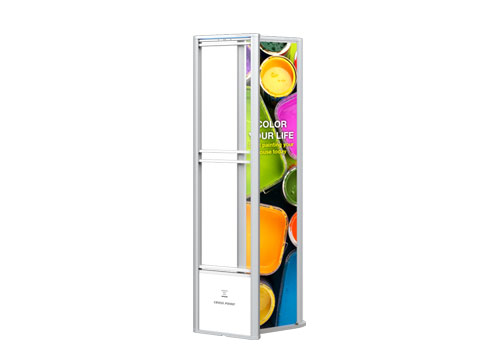
When it comes to reliable and innovative EAS System in Retail Stores solutions, Cross Point stands out as a leading global brand. With over 25 years of experience, Cross Point is renowned for developing and producing high-quality anti-theft systems that seamlessly blend advanced technology with superior design.
Cross Point offers a comprehensive portfolio of EAS System in Retail Stores products, including:
- AM and RF Systems: Catering to diverse operational needs and store environments.
- Concealed Systems: For retailers seeking an invisible security presence.
- Advanced Features: Such as jammer detection, multi-colored alarm systems, and compatibility with analytics platforms for deeper insights into store performance.
- Robust and Durable Design: Their systems are built to withstand challenging retail environments, ensuring long-term reliability.
- Analytics Platform: Cross Point Analytics provides real-time data on system status, visitor traffic, conversion rates, and more, empowering retailers with actionable intelligence.
- Commitment to Sustainability: Their AM systems feature “Green Mode” for energy savings, contributing to a quicker return on investment and environmental responsibility.
Cross Points dedication to quality, performance, and user-friendliness makes them a preferred choice for retailers worldwide, providing solutions that offer high detection rates, low false alarms, and a long service life.
Axle Systems: Your Trusted EAS System in Retail Stores Supplier in Qatar
As a leading security system provider in Qatar, Axle Systems is proud to be your trusted partner for Electronic Article Surveillance (EAS) solutions. We are an ISO 9001-2008 certified company with over a decade of experience in delivering high-quality security systems, from installation to integration and ongoing maintenance.
We understand that every retail business in Qatar has unique security requirements. That’s why we offer a comprehensive range of EAS System in Retail Stores, including cutting-edge solutions from industry leaders like Cross Point, tailored to meet your specific needs and budget. Our team of highly trained and experienced technicians ensures professional installation and efficient maintenance, guaranteeing optimal performance and peace of mind for your business.
At Axle Systems, our commitment extends beyond just providing equipment. We believe in building lasting partnerships, offering expert consultation, customized solutions, and dedicated after-sales support to ensure your EAS System in Retail Stores operates flawlessly, protecting your assets and contributing to your success.
Our EAS System in Retail Stores services include:
- Expert Consultation: Helping you choose the right AM or RF system, tag types, and placement for your store.
- Professional Installation: Ensuring seamless integration with your existing store layout and systems.
- Staff Training: Comprehensive training for your employees on system operation, tag application, deactivation, and alarm protocols.
- Maintenance and Support: Regular monitoring, routine maintenance, and prompt response to any service requirements, including remote support.
Contact Axle Systems Today:
Ready to elevate your retail security? Get in touch with Axle Systems for a free consultation and customized quote.
- Contact Number: +974 44 68 2391
- Address: P.O. Box 200081, Al Khalidiya Street, Najma, Doha, Qatar
- Website: axlesys.com
- Email: info@axlesys.com
Let Axle Systems empower your retail business with robust, reliable, and intelligent EAS System in Retail Stores solutions.
Frequently Asked Questions (FAQs) – EAS System in Retail Stores
Q1: What types of stores should use EAS systems?
A: Any retail store dealing with high-value, small, or easily concealable items should use an EAS System in Retail Stores. This includes clothing stores, electronics shops, pharmacies, supermarkets, and bookstores.
Q2: Are EAS System in Retail Stores safe for customers?
A: Yes. EAS System in Retail Stores emit low-frequency signals that are entirely safe for human exposure. They are compliant with international health and safety standards.
Q3: What happens when someone walks out with an active EAS tag?
A: The detection antennas placed at the store exit will sound an alarm, alerting staff to take appropriate action.
Q4: Can EAS System in Retail Stores be integrated with CCTV?
A: Yes. Advanced EAS System in Retail Stores can trigger CCTV recording the moment an alarm is activated, providing visual evidence of any incident.
Q5: What is the difference between RF and AM systems?
A: RF systems are more cost-effective and suitable for wide exits and general merchandise. AM systems offer better detection near metallic objects and are ideal for high-theft environments like electronics and cosmetics.
Q6: Can I reuse the EAS tags?
A: Hard tags are reusable. After a customer purchases an item, the tag is removed and can be reattached to new stock.
Q7: What is the lifespan of an EAS System in Retail Stores?
A: With proper maintenance, an EAS System in Retail Stores can last 5–10 years or longer, making it a valuable long-term investment.
Conclusion
In today’s highly competitive and fast-paced retail environment, loss prevention is more than a necessity—it’s a strategic imperative. Electronic Article Surveillance (EAS) systems have proven to be one of the most effective solutions for deterring theft, safeguarding merchandise, and maintaining operational efficiency. Whether you operate a large department store, a boutique clothing outlet, or a high-end electronics store, implementing the right EAS system can significantly reduce shrinkage while enhancing the overall customer experience.
From Radio Frequency (RF) systems ideal for wide exits and general merchandise, to Acousto-Magnetic (AM) systems suited for electronics and high-value items, and Electromagnetic (EM) systems perfect for libraries and specialty stores, there’s an EAS System in Retail Stores technology for every retail setting. Brands like Cross Point lead the market with reliable, innovative, and scalable solutions that meet modern retail demands.
As a trusted supplier of EAS systems in Qatar, Axle Systems is committed to helping businesses identify, deploy, and maintain advanced retail security technologies. With a customer-centric approach, high-quality product offerings, and expert technical support, Axle Systems ensures that your store remains secure, your assets protected, and your customers satisfied.
If you’re looking to invest in a robust EAS system tailored to your retail environment in Qatar, Axle Systems is your ideal partner.