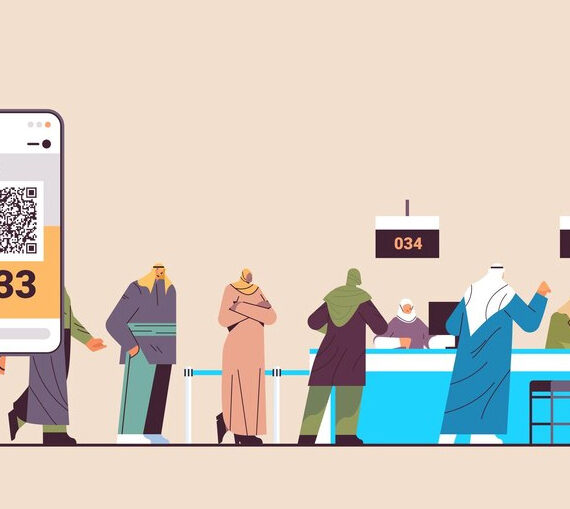

Queue Management System for Airlines in Qatar
Airports are the epicenters of modern travel, and in bustling hubs like Hamad International Airport in Qatar, efficient operations and a seamless passenger experience are not optional—they’re essential. Airlines operating in Qatar are under increasing pressure to streamline their operations, reduce wait times, and enhance customer satisfaction. One of the most powerful tools to achieve this is a Queue Management System for Airlines in Qatar tailored specifically for airlines.
At Axle Systems, we specialize in providing cutting-edge Queue Management System for Airlines in Qatar, including solutions from globally renowned brands such as QBetter and QueueBee. These systems not only modernize the check-in and boarding process but also significantly improve operational efficiency and passenger satisfaction.
What is a Queue Management System for Airlines in Qatar?
A Queue Management System for Airlines in Qatar is an intelligent solution that automates and streamlines passenger flow through various service points in an airport. These points typically include check-in counters, security checkpoints, baggage drop areas, boarding gates, and customer service desks. Designed specifically to manage large crowds and high-frequency interactions, a Queue Management System for Airlines in Qatar enables airlines to deliver a more efficient, organized, and satisfying passenger experience.
At its core, a Queue Management System for Airlines in Qatar is a combination of hardware and software working in sync to manage queues digitally rather than physically. Here’s how each component contributes to the system:
Hardware Components:
- Self-Service Kiosks: These allow passengers to check in, print boarding passes, and obtain queue tickets without staff assistance.
- Token Dispensers: Devices that issue physical or digital tokens with queue numbers to organize service flow.
- Digital Signage Screens: Monitors that display queue numbers, estimated waiting times, and service instructions in real-time.
- Counter Displays: Screens installed at service counters to guide passengers to the next available staff member.
- Mobile QR Code Scanners: Devices that allow passengers to join queues using their smartphones via QR codes.
Software Components:
- Queue Management Software: The brain of the system, enabling centralized control of queue logic, priority handling, and routing.
- Analytics and Reporting Tools: These track performance metrics such as average wait time, peak hours, staff efficiency, and service quality.
- Integration APIs: Connect the Queue Management System for Airlines in Qatar reservation systems, customer relationship management (CRM) tools, and airport security platforms.
- Customer Notification System: Sends SMS, email, or in-app notifications to alert passengers about their queue status and service updates.
How It Works:
- Passenger Registration: Passengers check in using a self-service kiosk or are issued a queue number at the counter or via mobile.
- Queue Allocation: The system assigns the passenger to the appropriate service area based on their needs (e.g., check-in, rebooking, special assistance).
- Real-Time Updates: Passengers can monitor their position in the queue on digital screens or through mobile notifications.
- Service Call: When it’s their turn, the system directs the passenger to the appropriate counter or gate.
- Data Capture: Throughout the process, the system collects valuable data for performance evaluation and service optimization.

Benefits of Queue Management Systems for Airlines in Qatar
Implementing a Queue Management System for Airlines in Qatar in the airline industry is not just about moving passengers efficiently—it’s about transforming the entire airport experience. From increasing customer satisfaction to improving operational efficiency, Queue Management System for Airlines in Qatar offers a multitude of advantages that are particularly valuable in a fast-growing aviation hub like Qatar. Below are the key benefits, expanded in detail:
1. Reduced Waiting Times
In traditional airline operations, long queues at check-in counters, baggage drop areas, and boarding gates are common. These not only frustrate passengers but also slow down overall operations. A smart Queue Management System for Airlines in Qatar eliminates the need for passengers to physically wait in line.
- How it works: Passengers receive a digital or physical token upon arrival or even before reaching the airport through mobile apps. They are then free to sit comfortably, visit retail areas, or relax in lounges while monitoring their queue status.
- Result: Shorter and more organized waiting periods, improved passenger comfort, and faster service turnover.
This is particularly important at Hamad International Airport, where high passenger volumes demand streamlined operations to prevent congestion.
2. Improved Customer Experience
Customer experience is at the heart of every successful airline. A well-implemented Queue Management System for Airlines in Qatar contributes significantly to a stress-free and pleasant journey:
- Passengers feel in control as they are guided clearly through each step of the service process.
- Real-time updates and instructions reduce confusion, especially for first-time travelers or those unfamiliar with the airport.
- Less crowding and better communication reduce anxiety and increase passenger satisfaction.
In an industry where brand loyalty is driven by customer perception, delivering a positive experience through efficient queuing can result in repeat bookings, positive reviews, and increased trust.
3. Efficient Resource Allocation
One of the biggest challenges in airport management is deploying human resources where and when they are needed most. A Queue Management System for Airlines in Qatar solves this with precision:
- Real-time analytics help management see which service points are overburdened and which are underutilized.
- Airlines can proactively assign or reassign staff based on passenger load, ensuring smooth operations even during unexpected surges (e.g., flight delays or seasonal peaks).
- Automated alerts and predictive data help managers plan future shifts and allocate manpower accordingly.
This ensures maximum operational efficiency and minimizes idle time or overworked staff, which is critical in Qatar’s high-standard aviation sector.
4. Enhanced Staff Productivity
By automating routine tasks like queue organization, time tracking, and calling the next passenger, a Queue Management System for Airlines in Qatar frees airline staff to focus on more value-added services:
- Staff spend less time managing physical lines and more time assisting passengers with special needs, resolving queries, or upselling premium services.
- With better system visibility, team leaders can more easily identify performance issues or provide immediate support.
- Staff morale also improves in an environment where chaos is replaced by clarity and coordination.
In a competitive and high-traffic environment like Qatar’s aviation industry, this boost in productivity and morale can greatly impact an airline’s operational success.
5. Better Compliance with Health and Safety Protocols
Following the COVID-19 pandemic, airports and airlines were compelled to rethink how they manage passenger movement. A Queue Management System for Airlines in Qatar supports these efforts by minimizing contact and ensuring compliance with evolving health standards:
- Contactless queuing allows passengers to join queues using QR codes or mobile apps without touching shared surfaces.
- Digital notifications replace the need for staff to call out names or numbers in crowded areas.
- Social distancing is maintained more effectively by managing the number of passengers in a particular area at any given time.
These features not only protect passenger and staff health but also demonstrate that the airline values safety and responsibility, building public confidence in air travel.
6. Real-Time Monitoring and Reporting
Data is a powerful asset in aviation management, and Queue Management System for Airlines in Qatar provides a wealth of real-time insights to help airlines make informed decisions:
- Live dashboards show current queue lengths, average service times, staff performance, and passenger feedback.
- Managers can detect service bottlenecks as they happen and take immediate corrective action.
- Historical reports allow for performance benchmarking, forecasting, and long-term planning.
This data-driven decision-making improves both day-to-day operations and strategic planning, helping airlines stay agile and competitive.
7. Multilingual Interface
Qatar is an international transit hub welcoming travelers from all over the world. Therefore, it’s essential that the Queue Management System for Airlines in Qatar interface can communicate effectively with a diverse audience:
- Leading systems like QBetter and QueueBee support multiple languages, including Arabic, English, Hindi, French, Mandarin, and others.
- Passengers can choose their preferred language at kiosks or while using mobile queueing apps.
- Digital signage and voice announcements can also be localized for cultural sensitivity and clarity.
This inclusive approach eliminates language barriers and ensures that all passengers receive clear instructions, contributing to a more respectful and effective service environment.

Key Features of Queue Management Systems for Airlines
Modern Queue Management System for Airlines in Qatar are engineered with robust functionalities that cater to the complex and dynamic nature of the aviation industry. These systems are far more than just tools for organizing queues—they act as comprehensive service platforms that streamline airport operations, enhance customer satisfaction, and improve service delivery across all touchpoints. Below is a closer look at the key features tailored specifically for airline environments:
1. Self-Service Kiosks
Self-service kiosks are a fundamental component of the modern airport Queue Management System for Airlines in Qatar solutions. These intuitive, user-friendly touchscreen terminals are strategically placed throughout the terminal, enabling passengers to:
- Check-in independently without waiting in line for airline staff.
- Print boarding passes and luggage tags quickly and efficiently.
- Generate queue tokens for services such as customer service support, special assistance, or baggage claims.
By enabling self-service, kiosks significantly reduce pressure on airline counters and allow staff to focus on higher-priority tasks. Moreover, they reduce human error, speed up the process, and are available 24/7, making them invaluable in a bustling airport environment like Hamad International Airport in Qatar.
2. Mobile Queueing
Mobile queueing offers passengers the freedom and flexibility to join queues even before arriving at the service point. Using a dedicated mobile app or QR codes placed throughout the airport:
- Passengers can remotely take a virtual ticket from their smartphones.
- They receive real-time notifications about estimated waiting times and alerts when their turn is approaching.
- This feature also allows dynamic rerouting based on queue congestion—if one counter is busy, the system can redirect the passenger to a less crowded service point.
This is particularly useful for frequent travelers and business-class passengers who prioritize speed and convenience. Mobile queueing also aligns with COVID-19 safety practices by reducing physical contact and preventing crowding at ticket dispensers or help desks.
3. Digital Signage Integration
Digital signage is the visual backbone of any Queue Management System for Airlines in Qatar, offering real-time information to guide passengers throughout their airport journey. These high-visibility LED or LCD screens are placed in strategic locations such as:
- Check-in areas
- Boarding zones
- Baggage drop sections
- Customer service counters
These screens display essential information, including:
- Current queue numbers
- Estimated wait times
- Directional guidance (e.g., “Proceed to Counter 4”)
- Service announcements or special alerts
For airlines in Qatar, where multilingual support is crucial, digital signage ensures that all passengers receive clear and timely instructions in languages such as Arabic, English, Hindi, and Mandarin.
4. Appointment Booking
One of the more advanced features of a modern Queue Management System for Airlines in Qatar is appointment scheduling. This function allows passengers to book a time slot for specific services such as:
- Check-in for large families or groups
- Excess baggage handling
- Special assistance or medical support
- Travel document verification
Benefits include:
- Minimized crowding during peak travel hours
- Better control over staff workload
- A personalized travel experience, particularly useful for VIP and business-class travelers
This feature also adds value for airlines looking to enhance service delivery through premium, appointment-based services—positioning themselves as customer-centric and future-ready.
5. Data Analytics and Reporting
Behind every smooth airport operation lies a wealth of data. Modern Queue Management System for Airlines in Qatar platforms include powerful analytics dashboards that provide real-time and historical data on:
- Passenger flow and average waiting times
- Counter efficiency and employee performance
- Peak traffic hours and bottlenecks
- Service trends and demand forecasting
Airlines can use this data to:
- Improve staff scheduling
- Reallocate resources during busy periods
- Benchmark performance against historical data
- Make data-driven decisions that reduce costs and enhance service delivery
In a fast-paced environment like Qatar’s aviation sector, real-time insights are essential for maintaining operational excellence and quick decision-making.
6. Multi-Counter Management
At any airport, multiple counters operate simultaneously to serve different functions—such as economy class check-in, business class service, rebooking, and customer service. Queue Management System for Airlines in Qatar platforms allow airlines to manage these multi-functional counters from a centralized interface:
- Supervisors can monitor activity at all counters in real-time.
- Passengers are automatically routed to the next available or most appropriate counter based on their service need.
- Queues can be split or merged based on dynamic passenger volume.
This centralized management system helps reduce passenger confusion, prevents bottlenecks, and ensures maximum utilization of all service points, especially during unexpected delays or staff shortages.
7. Integration with Existing Airline and Airport Systems
A significant feature of advanced QMS solutions is their ability to seamlessly integrate with existing airline and airport infrastructure, including:
- Airline Reservation Systems (ARS)
- Airport Operational Databases (AODB)
- Flight Information Display Systems (FIDS)
- Customer Relationship Management (CRM) software
- Biometric systems for security screening
- Third-party service platforms (e.g., transportation or baggage tracking tools)
This interoperability ensures:
- Smooth data exchange between systems
- Elimination of duplicate data entry
- Consistency in passenger information across all touchpoints
- A unified experience for the passenger from check-in to boarding
For airlines operating in Qatar, where premium service and efficiency are paramount, such integration is critical for delivering a world-class travel experience.
Use Cases of Queue Management Systems for Airlines in Qatar
A Queue Management System for Airlines in Qatar sector is not a one-size-fits-all solution—it is a versatile tool that can be strategically implemented at various service points across the passenger journey. At Qatar’s airports, especially at the world-renowned Hamad International Airport, managing high footfall with efficiency and elegance is critical. Queue Management System for Airlines in Qatar technologies make this possible by streamlining operations and ensuring passengers enjoy a seamless, structured, and timely experience.
Here’s a closer look at how Queue Management System for Airlines in Qatar can be applied across different airline touchpoints:
1. Check-in Counters
Check-in counters are among the busiest areas of an airport, especially during peak seasons like Eid holidays, summer vacations, and major international events such as the FIFA World Cup. Unorganized queues can lead to delays, frustrated passengers, and operational chaos.
Queue Management System for Airlines in Qatar Solutions at Check-in:
- Token or app-based check-in queues prevent crowding and help passengers wait comfortably.
- Real-time updates allow passengers to monitor their status from digital displays or their smartphones.
- Priority queuing rules can give preference to premium passengers, families with children, or elderly travelers.
This not only reduces stress for passengers but also ensures that check-in agents can work efficiently without handling queue disputes or overflows.
2. Baggage Drop Areas
With increasing adoption of online and kiosk check-in, many passengers now go directly to bag drop counters. However, during peak hours, this area can become congested if not managed properly.
Queue Management System for Airlines in Qatar in Baggage Drop Zones:
- Organizes passengers based on service needs (e.g., domestic vs. international flights, oversized luggage).
- Enables automated ticket calling to reduce human error and improve throughput.
- Integrates with airline systems for real-time baggage tracking and verification.
This application ensures faster luggage processing, minimizes wait times, and allows staff to deal with exceptions (e.g., excess baggage) more effectively.
3. Customer Service Desks
Customer service desks handle a wide variety of requests including flight changes, refunds, upgrades, complaints, and lost luggage claims. These transactions can be time-consuming and unpredictable.
Queue Management System for Airlines in Qatar Benefits for Service Desks:
- Segments passengers based on service type, allowing airlines to prioritize urgent requests (e.g., missed connections).
- Enables appointment booking for non-urgent issues, improving service efficiency.
- Offers detailed reports on wait times and service outcomes, which help improve staff training and resource allocation.
In a high-standard service market like Qatar, where passengers expect rapid and personalized support, an efficient queue system is essential for maintaining customer satisfaction.
4. Boarding Gates
The boarding process is a critical phase where delays can directly affect on-time departures, ground handling efficiency, and aircraft turnaround. Manual boarding procedures often result in chaos, especially for large aircraft with multiple classes and seating zones.
Queue Management System for Airlines in Qatar at Boarding Gates:
- Structures passengers into sequential boarding zones (e.g., by seat row, class, or group).
- Supports visual and audio prompts for group calls, reducing the need for repeated manual announcements.
- Integrates with airline ticketing to prevent duplicate or early boarding attempts.
By streamlining boarding queues, airlines in Qatar can enhance the boarding experience, reduce operational delays, and present a highly organized image to passengers.
5. Lounge Access Counters
Business and first-class passengers, frequent flyers, and loyalty program members expect priority service—especially when accessing exclusive lounges. Long or unmanaged lines at lounge entrances can degrade the premium experience.
Queue Management System for Airlines in Qatar Solutions for Lounges:
- Differentiates passengers based on membership tier, ticket class, or airline status.
- Allows eligible passengers to queue digitally and get notified when space becomes available.
- Ensures that lounge staff can verify eligibility and manage peak occupancy more smoothly.
In luxury-focused environments like Qatar Airways’ Al Mourjan Lounge, QMS contributes to delivering an exceptional, uninterrupted VIP experience.
6. Immigration and Security Clearance
While these checkpoints are primarily managed by airport authorities, airlines can collaborate with them to enhance passenger flow using integrated queue management tools.
Queue Management System for Airlines in Qatar for Immigration & Security:
- Coordinates with airport security systems to pre-assign passengers to immigration counters based on flight schedules.
- Provides real-time alerts for passengers at risk of missing their flights due to long security delays.
- Assists in fast-tracking priority passengers or connecting travelers through dedicated lanes.
This is especially important in a transit-heavy hub like Hamad International Airport, where minimizing layover times and ensuring smooth international transitions are key performance indicators.

Leading Brands in Queue Management: QBetter and Queue Bee
The global market for Queue Management Systems boasts several innovative players, and at Axle Systems, we partner with industry leaders to bring the best solutions to Qatar. Two prominent brands known for their robust and intelligent QMS offerings are QBetter and Queue Bee.
QBetter: Innovative Solutions for Enhanced Customer Journeys
QBetter, a leading European provider, is renowned for its comprehensive and user-centric queue management solutions. Their systems are designed to simplify the customer journey from start to finish. Key aspects of QBetter’s offerings include:
- User-Friendly Interface: Intuitive design for both customers (through kiosks, mobile apps) and staff (through management dashboards).
- Real-Time Data and Analytics: QBetter’s powerful analytics provide deep insights into customer flow, service times, and staff performance, enabling data-driven optimization.
- Virtual Queuing and Appointment Booking: Empowering customers with flexibility and control over their waiting experience.
- Scalability and Integration: QBetter solutions are designed to be scalable for businesses of all sizes and can seamlessly integrate with existing airport and airline infrastructure.
- Focus on Customer Engagement: Beyond just managing queues, QBetter aims to transform the waiting experience into an engaging one with personalized updates and infotainment options.
Axle Systems integrates with QBetter, offering a high-performance system based on Bloom technology, which ensures a systematic and efficient approach to queue management.
Queue Bee: Versatile and Flexible Queue Management
Queue Bee offers a versatile range of queue management systems in physical, virtual, and hybrid formats, designed to minimize wait times and cater to diverse business requirements. Their solutions emphasize flexibility and advanced ticketing capabilities:
- Advanced Ticket Options: Queue Bee supports both physical (paper tickets from kiosks) and virtual (QR codes, mobile tickets) options, along with personalized designs and multi-language support.
- Live Queue Status and Notifications: Customers receive real-time updates and alerts on their position in the queue, ensuring they are prepared for service.
- Seamless Customer Journey: From ticket acquisition to serving and transfer, Queue Bee focuses on a smooth and efficient transition.
- Prioritized Queuing: Ability to cater to special requirements and offer inclusive experiences.
- Comprehensive Data and Reporting: Providing insights into customer behavior and operational efficiency for continuous improvement.
These brands represent the cutting edge of QMS technology, and through partnerships like ours, we ensure that airlines and airports in Qatar have access to the most advanced and reliable solutions available.
Axle Systems: Your Trusted Partner for Queue Management System for Airlines in Qatar
Axle Systems stands as a premier provider of sophisticated Queue Management System for Airlines in Qatar and customer flow management solutions in Qatar. With a steadfast commitment to technological excellence and customer-centric solutions, we have established ourselves as a trusted partner for businesses across various sectors, including the demanding aviation industry.
Our expertise is rooted in understanding the unique operational dynamics of airports and airlines. We don’t just supply products; we deliver comprehensive, end-to-end solutions that encompass:
- Consultation and Needs Assessment: Working closely with airlines and airport authorities to understand their specific challenges and design a tailored Queue Management System for Airlines in Qatar solution.
- System Design and Customization: Architecting a system that seamlessly integrates with existing infrastructure and meets unique operational requirements.
- Professional Installation: Our experienced technicians ensure a smooth and efficient deployment with minimal disruption to ongoing operations.
- Training and Support: Providing thorough training for staff and offering ongoing technical support to ensure optimal system performance.
- Maintenance and Upgrades: Regular maintenance and timely upgrades to keep the QMS running efficiently and incorporate the latest technological advancements.
As an ISO 9001-2008 certified entity, Axle Systems upholds the highest standards of quality and reliability. Our solutions are designed to not only meet but exceed the expectations of our clients, revolutionizing their service delivery and enhancing their competitive edge.
Beyond Queue Management System for Airlines in Qatar, Axle Systems offers a broad spectrum of security and automation solutions, including CCTV security surveillance, access control systems, people counting systems, parking barriers, and more. This holistic approach allows us to provide integrated solutions that address multiple operational and security needs within an airport environment.
We believe that a well-organized queuing mechanism is vital for any enterprise with multiple services. By combining user-centric features, real-time analytics, enhanced engagement, and seamless integration, Axle Systems empowers businesses to optimize their operations, boost customer satisfaction, and thrive in today’s competitive market.
Contact Axle Systems Today!
Ready to revolutionize your airline or airport operations with a cutting-edge Queue Management System for Airlines in Qatar? Partner with Axle Systems, your trusted provider in Qatar.
Axle Systems Contact Details:
- Phone: +974 44682391
- Email: info@axlesys.com
- Website: www.axlesys.com
- Office Address: Office No. 505, Al Bandary Building, Al Khaleediya Street, Doha, Qatar.
Frequently Asked Questions (FAQs)
1. What is a Queue Management System for Airlines in Qatar?
A Queue Management System helps airlines organize and streamline passenger queues for services such as check-in, boarding, and baggage handling, improving efficiency and customer experience.
2. How can QMS benefit airline operations in Qatar?
QMS solutions reduce waiting times, enhance customer satisfaction, improve staff productivity, and help maintain health protocols—all crucial in busy airline environments.
3. Can the system integrate with existing airline software?
Yes, Axle Systems provides solutions that seamlessly integrate with your existing CRM, ERP, and booking systems.
4. Is theQueue Management System for Airlines in Qatar system customizable?
Absolutely. We offer tailor-made solutions based on your airline’s size, passenger flow, and operational needs.
5. Which brands do you supply?
We supply Queue Management System for Airlines in Qatar from global leaders like QBetter and QueueBee.
6. Do you provide installation and support?
Yes. Axle Systems offers complete installation, staff training, regular maintenance, and 24/7 support services.
7. Is the system compliant with Qatar’s aviation regulations?
Our solutions are designed to meet the standards set by Qatar’s Civil Aviation Authority and relevant airport security guidelines.
8. Can it support multiple languages?
Yes. The systems support multiple languages including Arabic, English, Hindi, and others.
9. Can passengers join the queue using a mobile phone?
Yes. Both QBetter and QueueBee offer mobile-based queuing options with real-time notifications.
10. What is the typical implementation time?
Depending on the scale, it can range from a few days to a couple of weeks. Our team ensures minimal disruption to your operations during the setup.
Final Thoughts: Queue Management System for Airlines in Qatar
The aviation sector is one of the most demanding industries in terms of operational efficiency and customer satisfaction. In Qatar, where air traffic is consistently growing, it is imperative for airlines to adopt technologies like Queue Management System for Airlines in Qatar to remain competitive.
Axle Systems is proud to be at the forefront of this transformation by delivering state-of-the-art Queue Management Systems for Airlines in Qatar. Our partnerships with brands like QBetter and QueueBee ensure that our clients receive only the best in class.
Whether you’re launching a new airline, upgrading your current systems, or preparing for upcoming international events, we’re here to help.